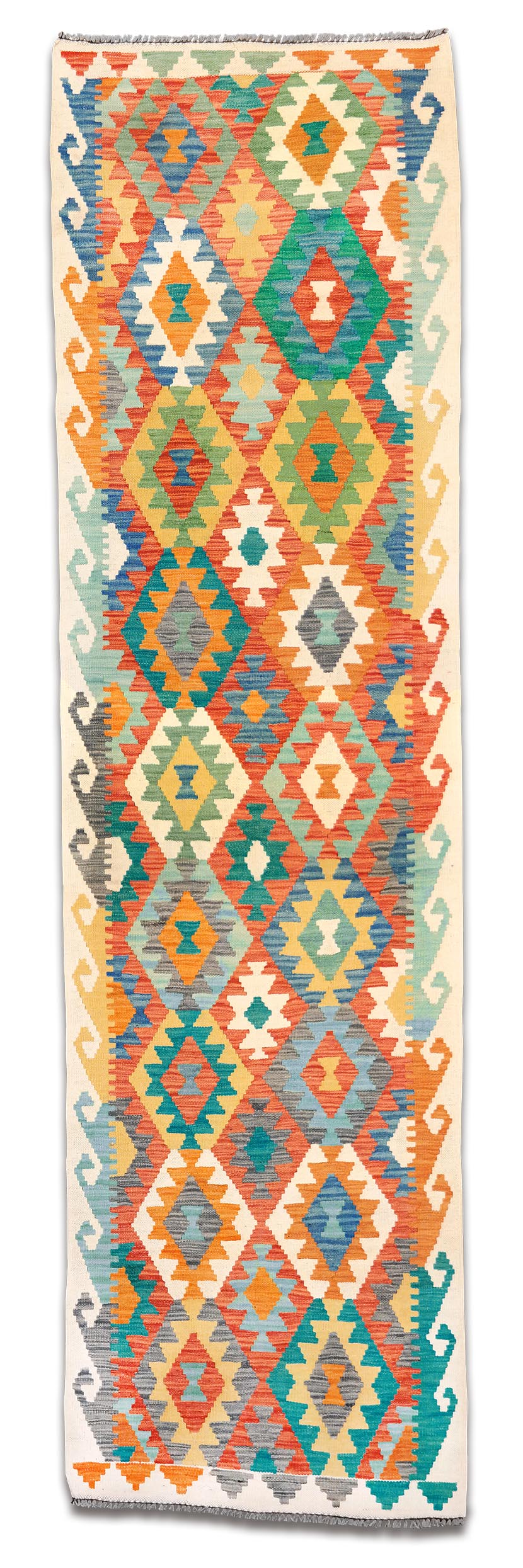
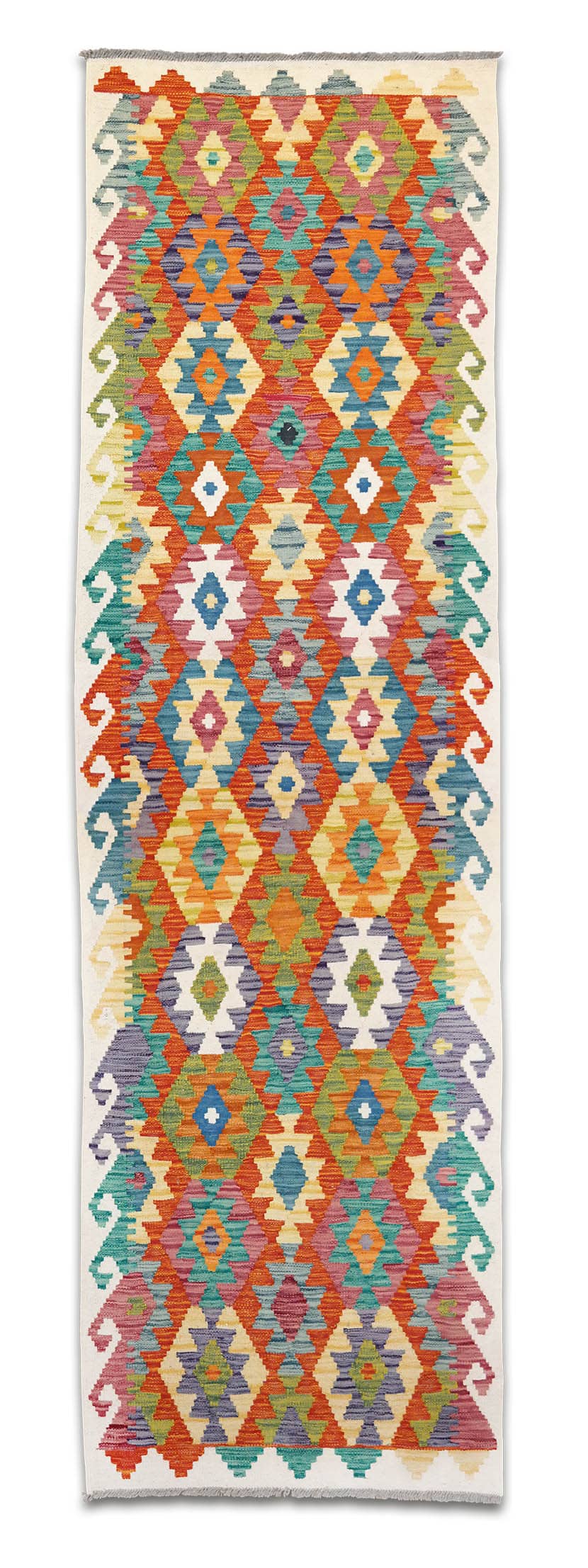
Sale!


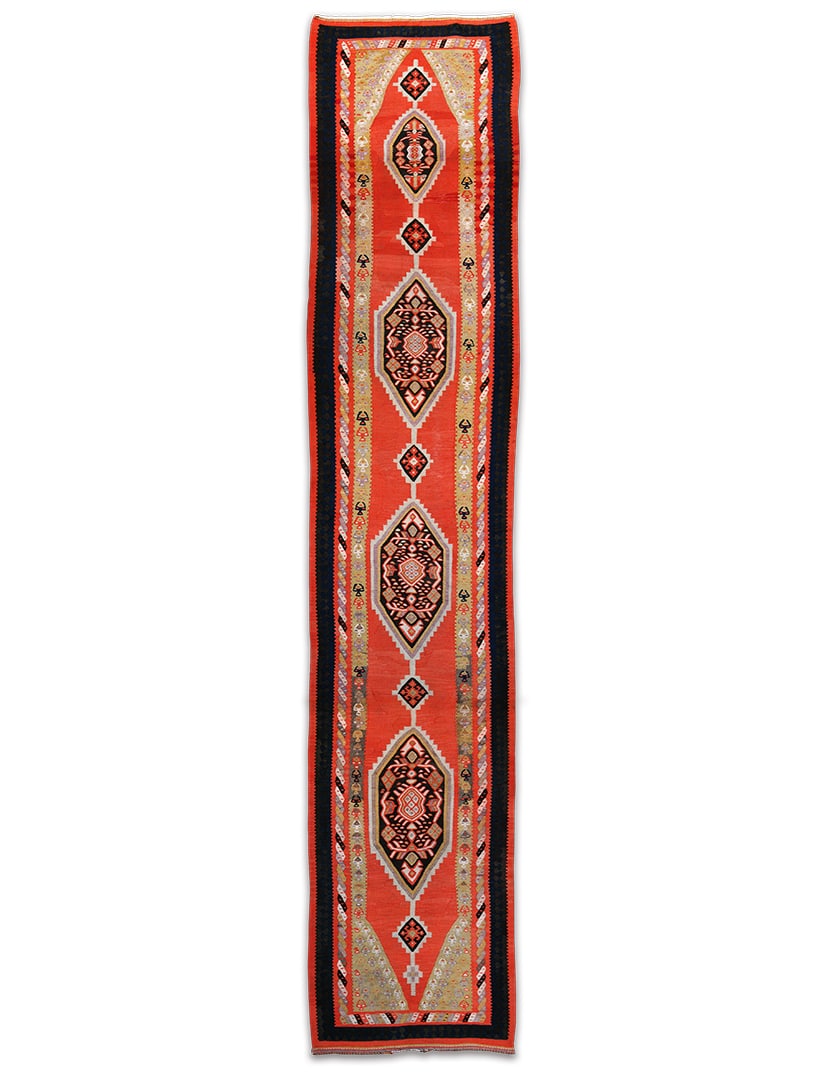
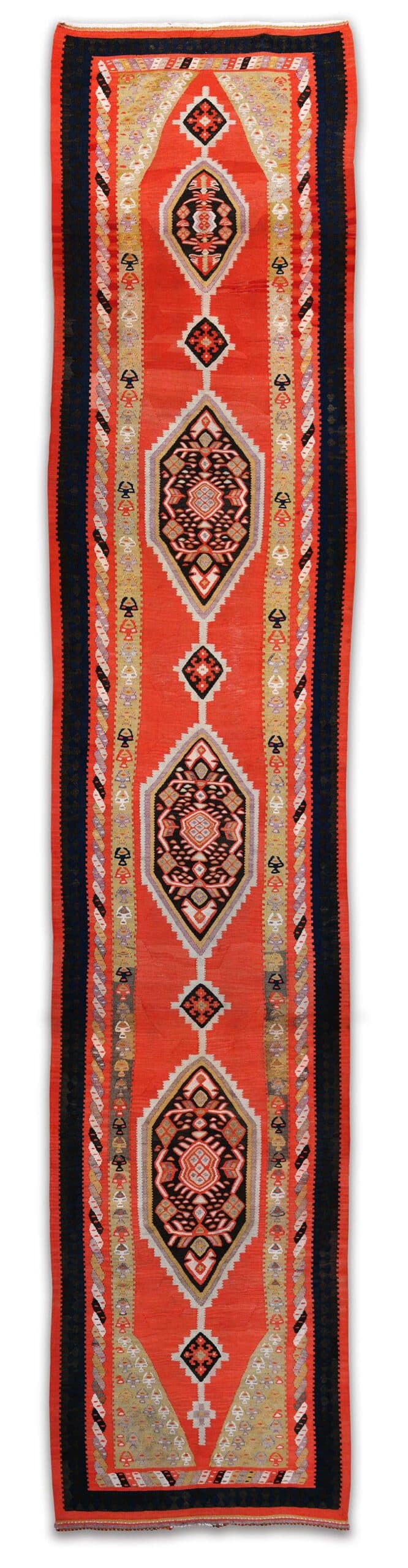
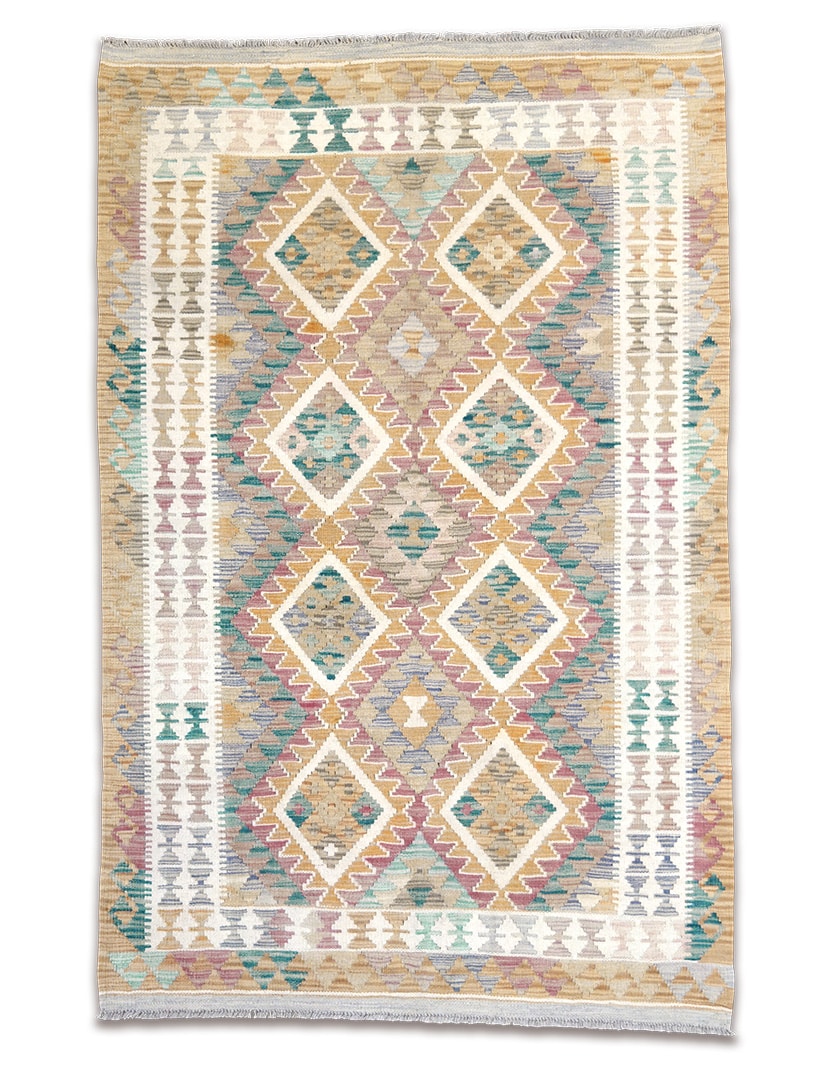
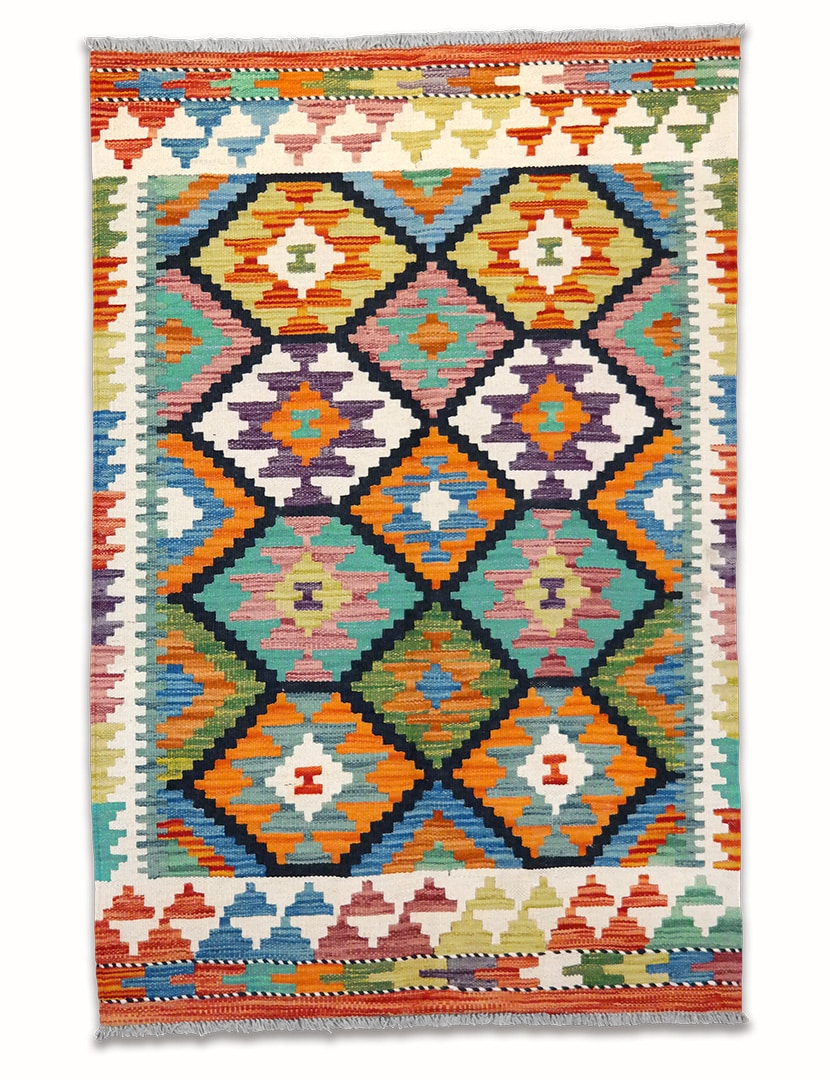
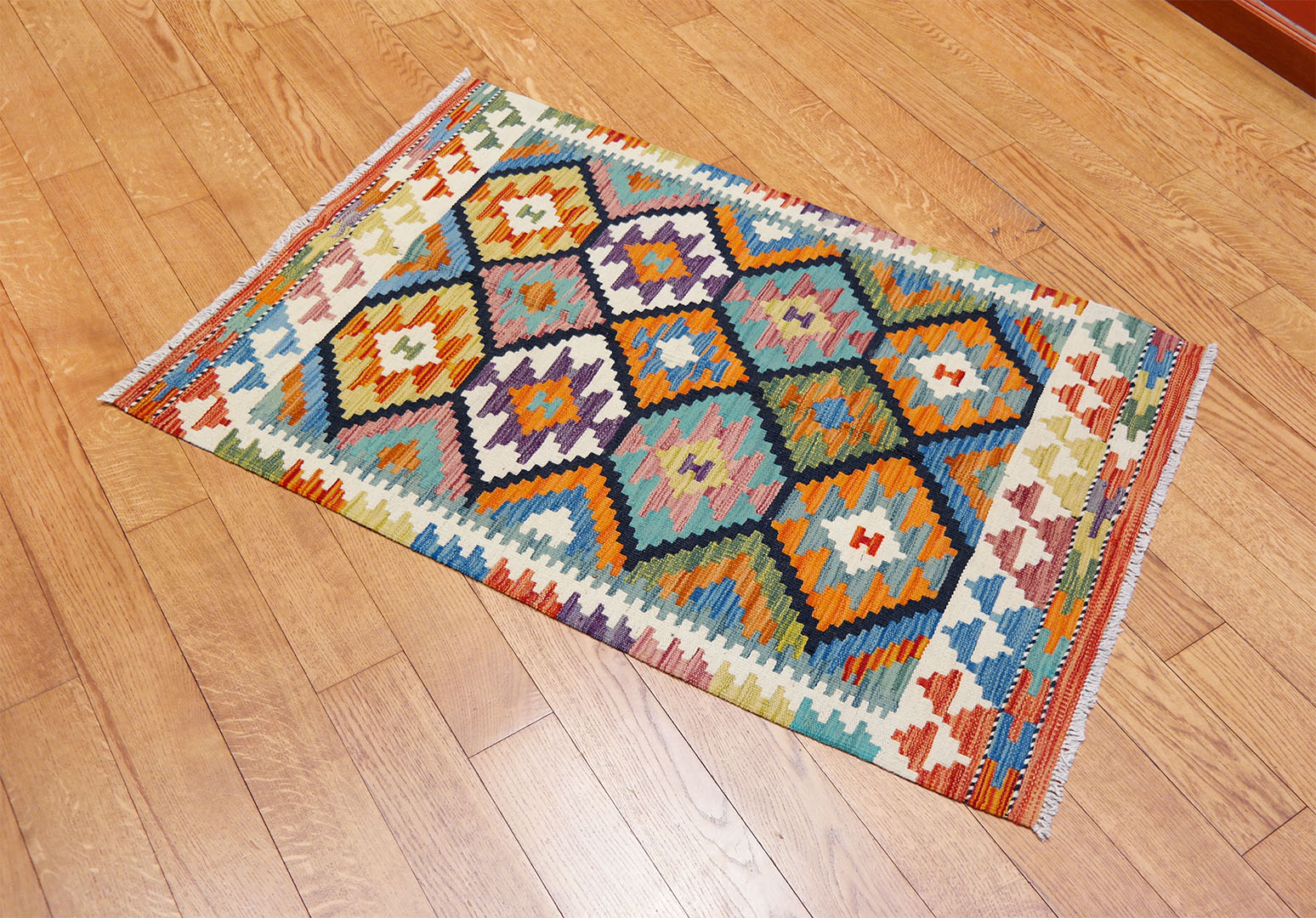
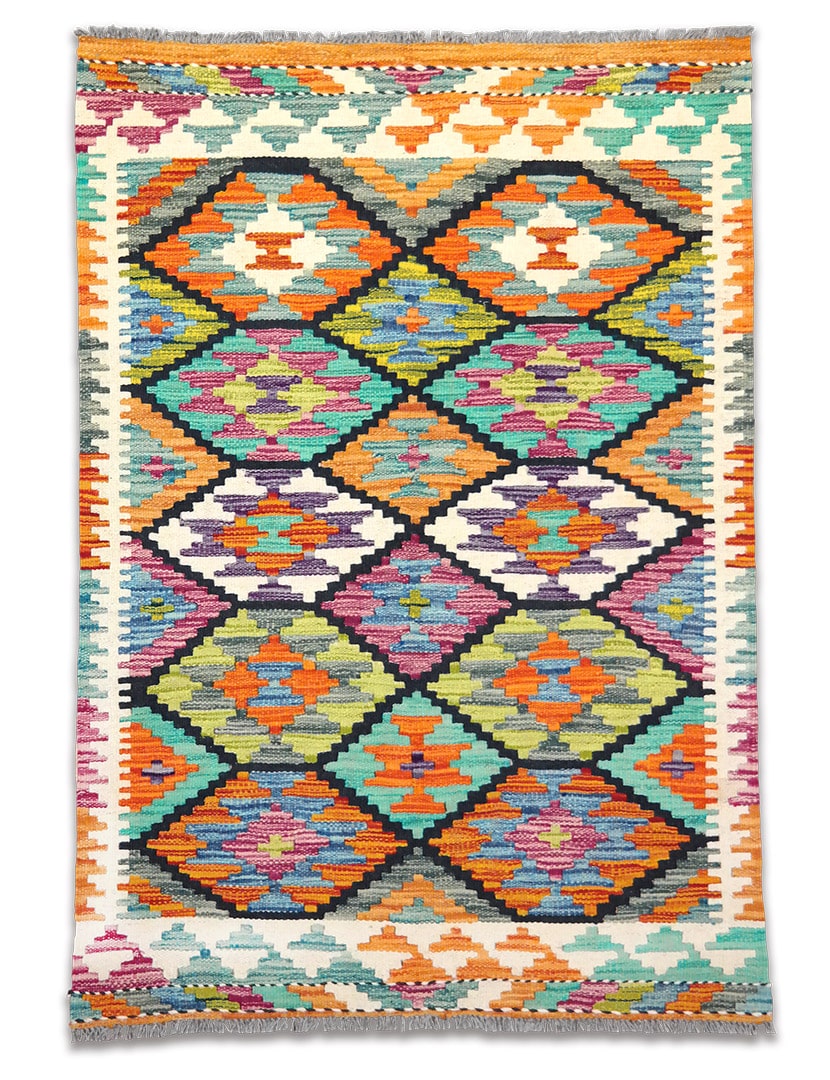
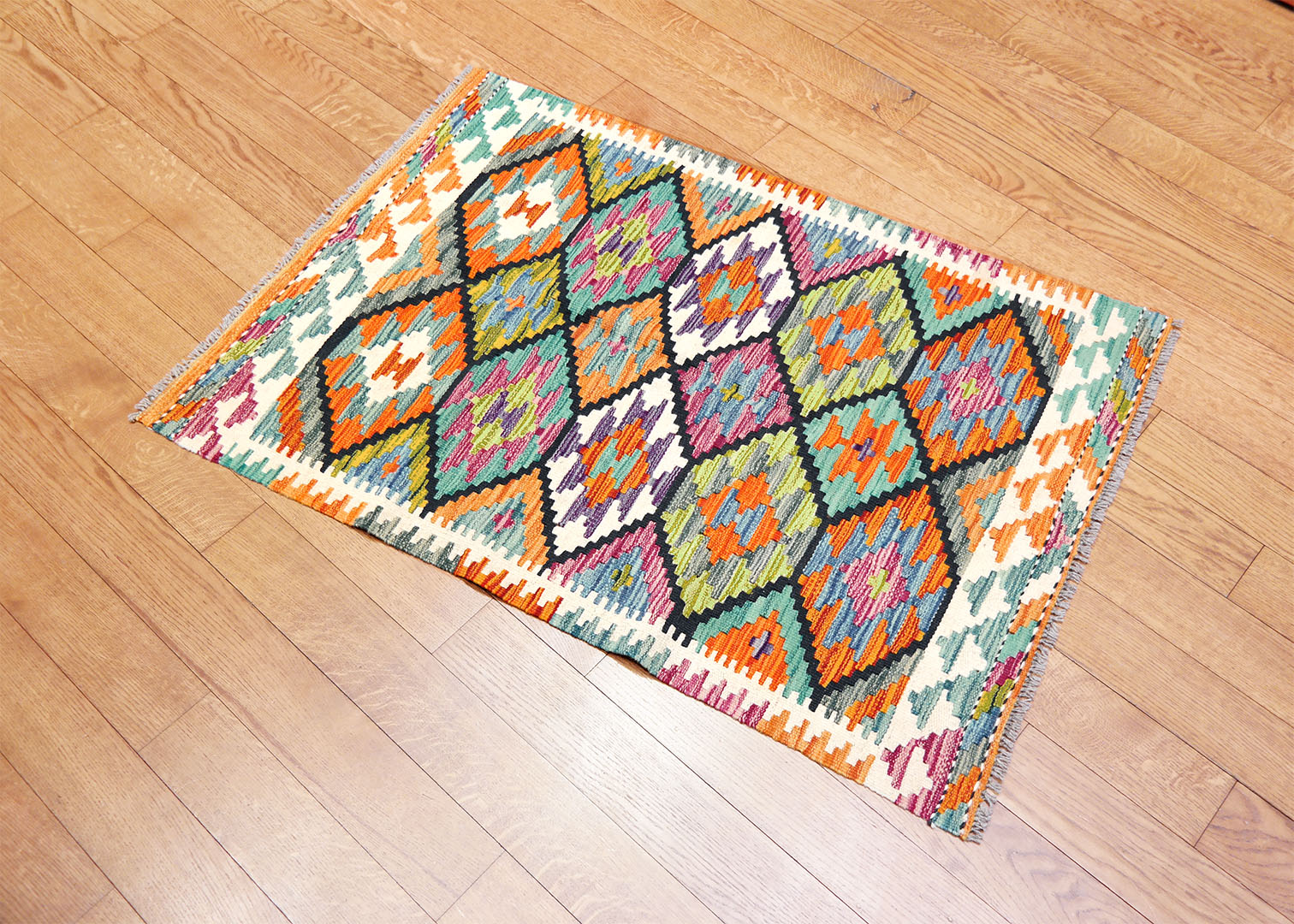
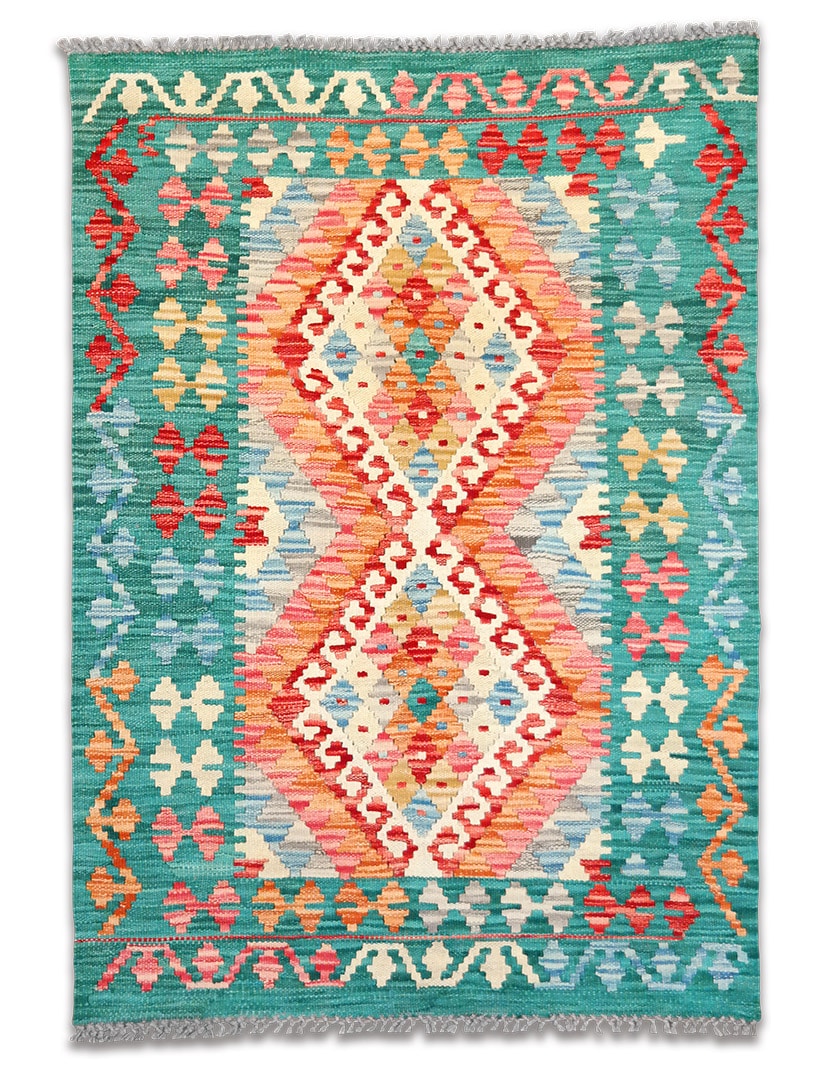
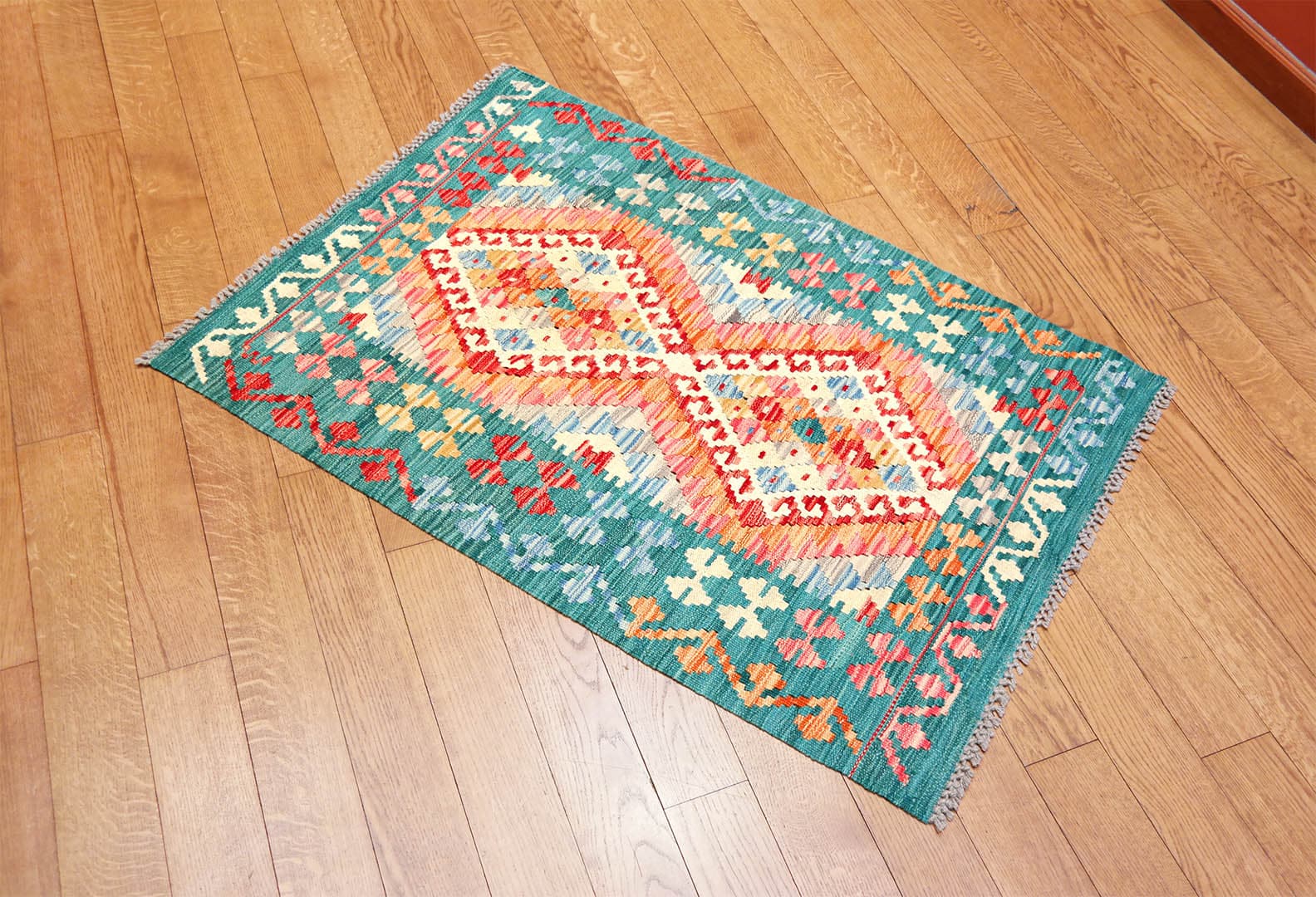
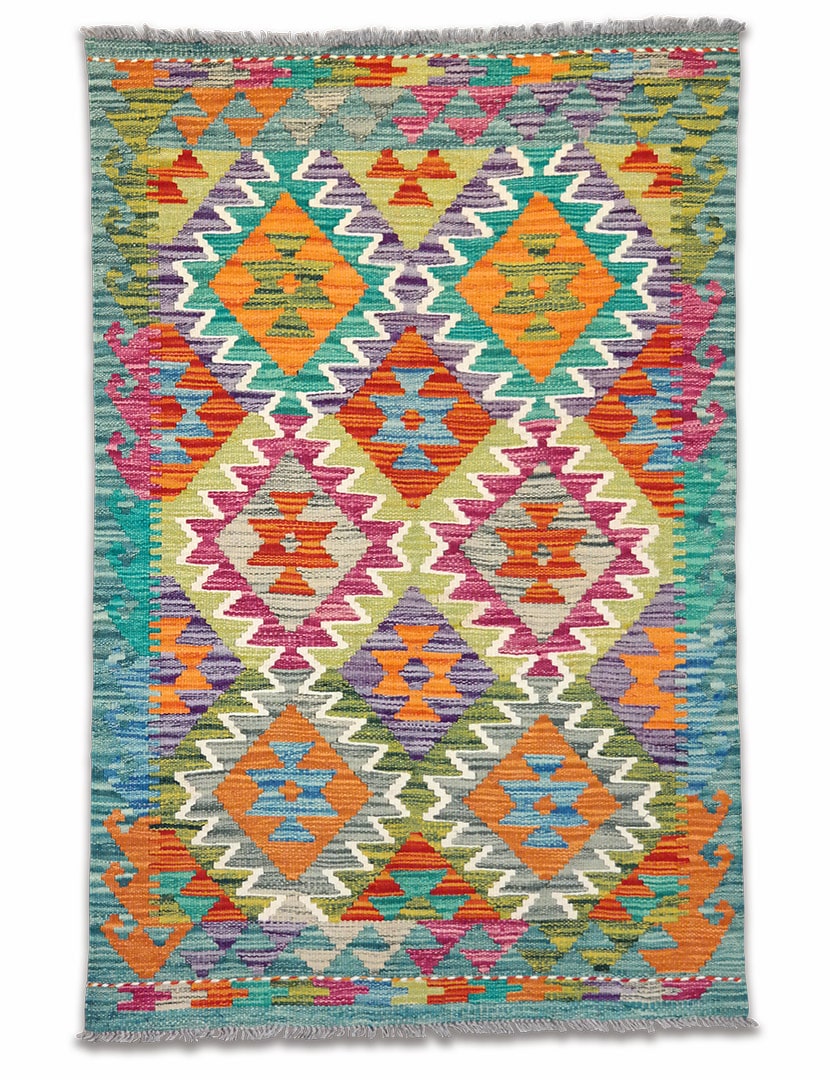
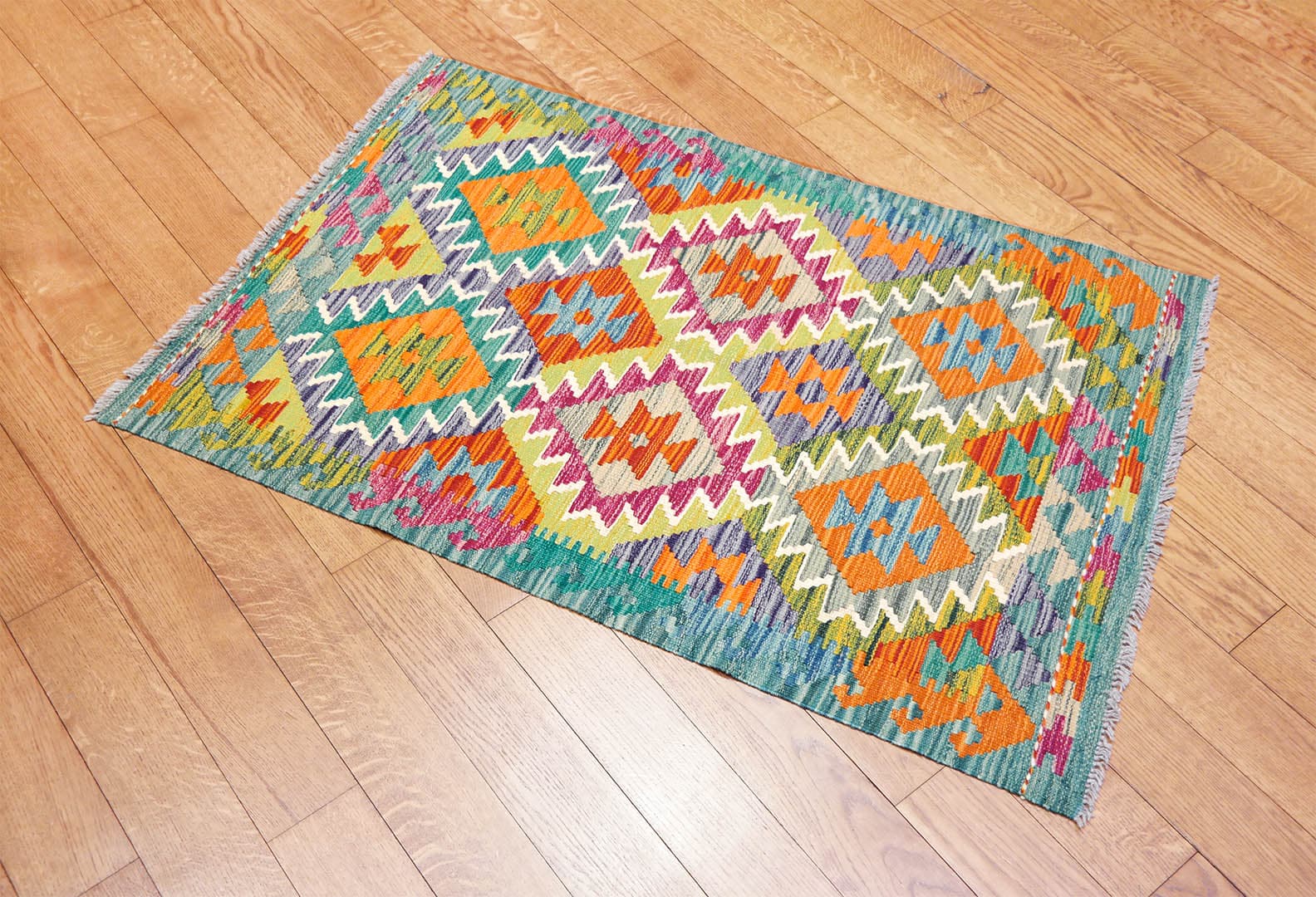
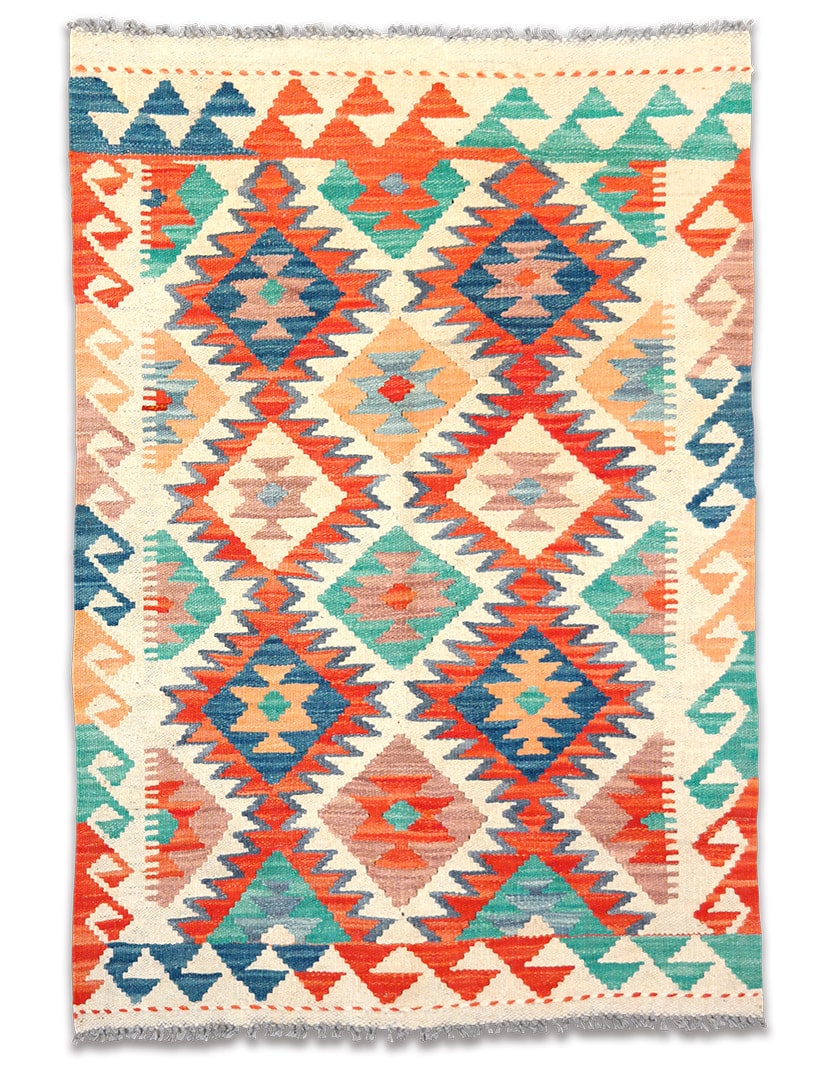
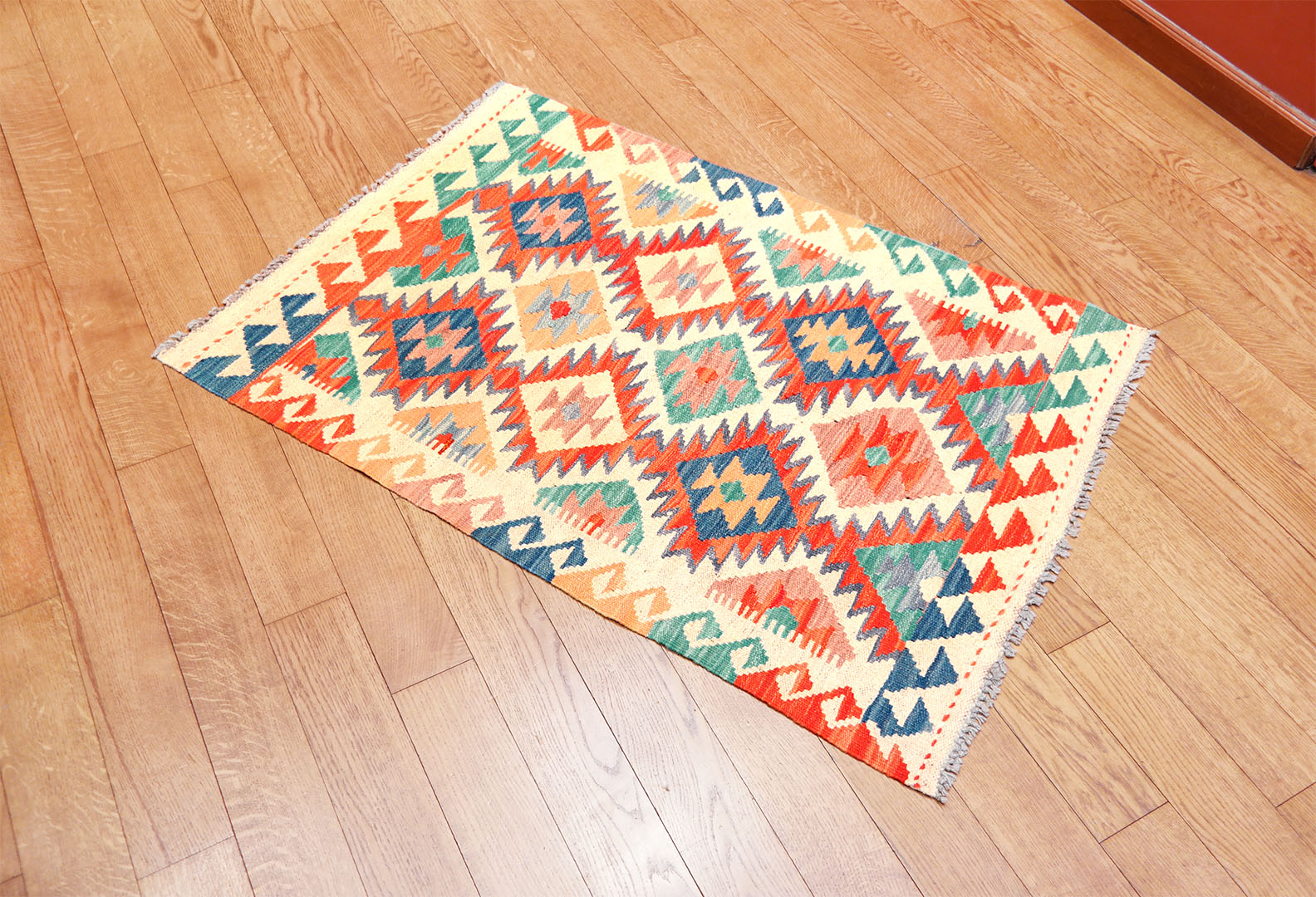
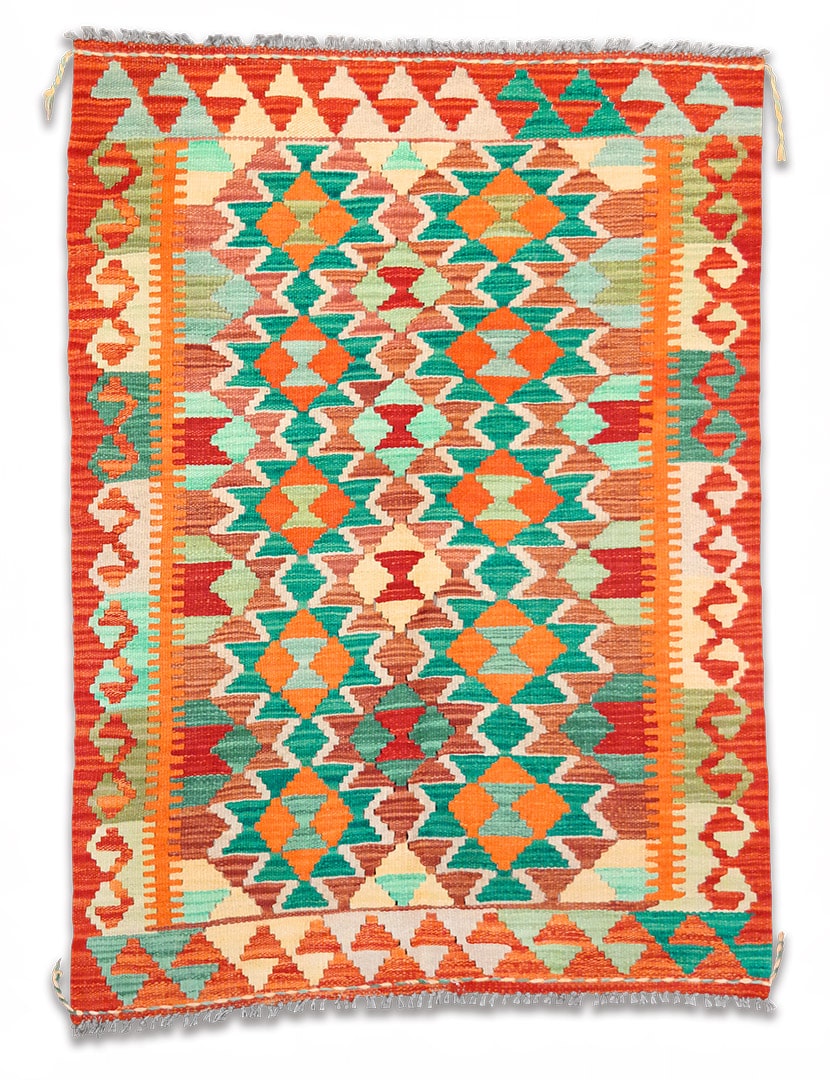
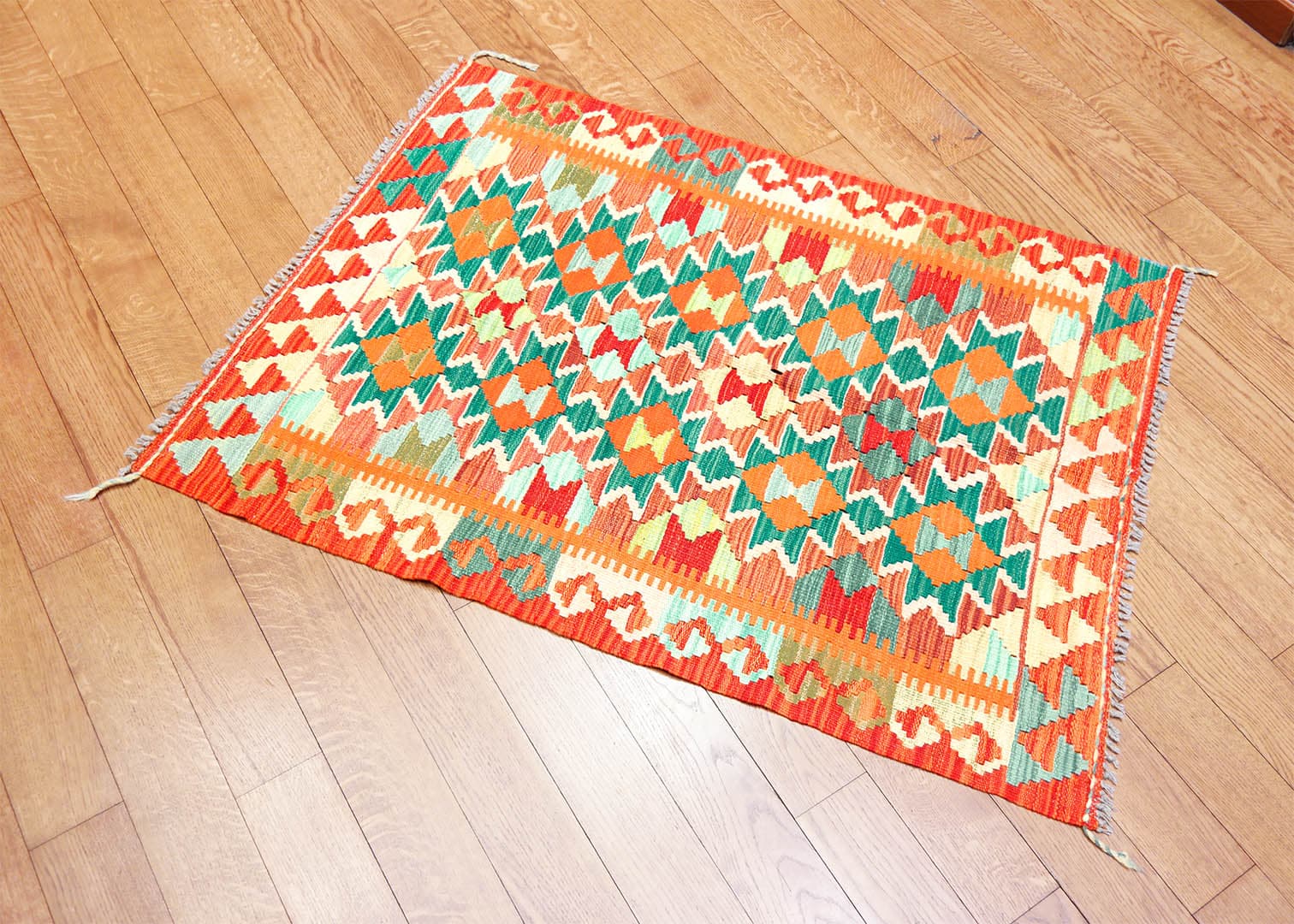
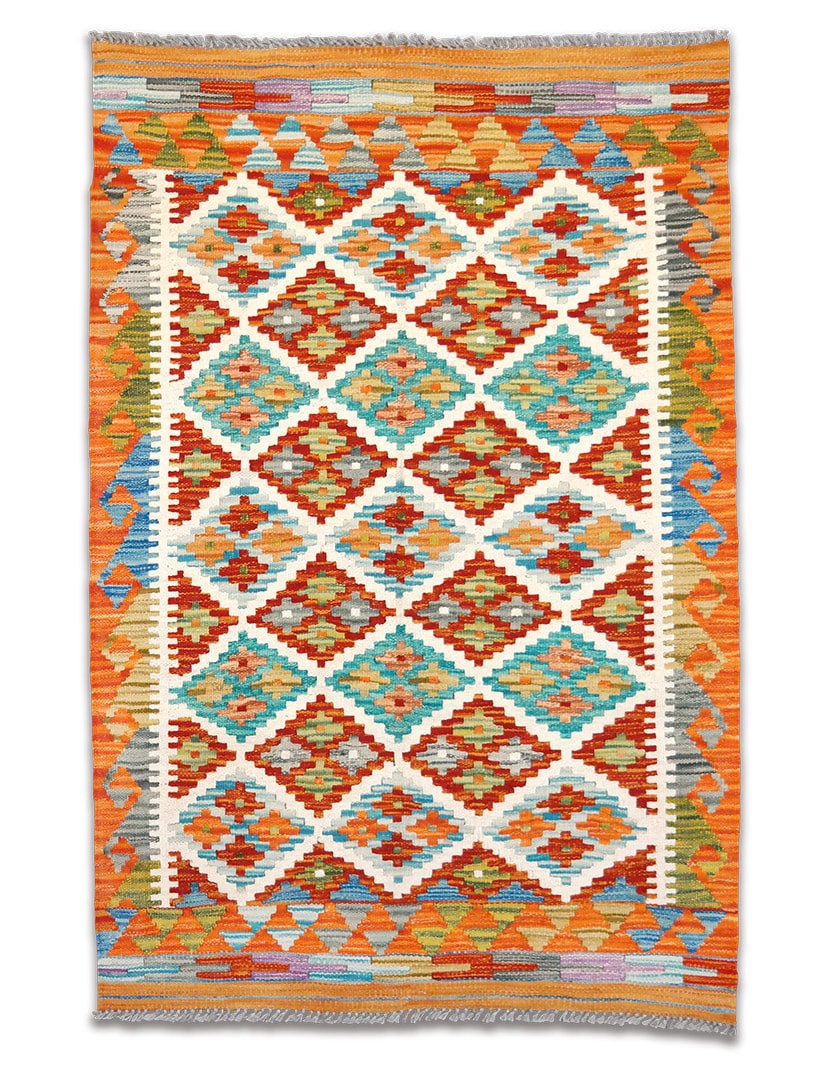
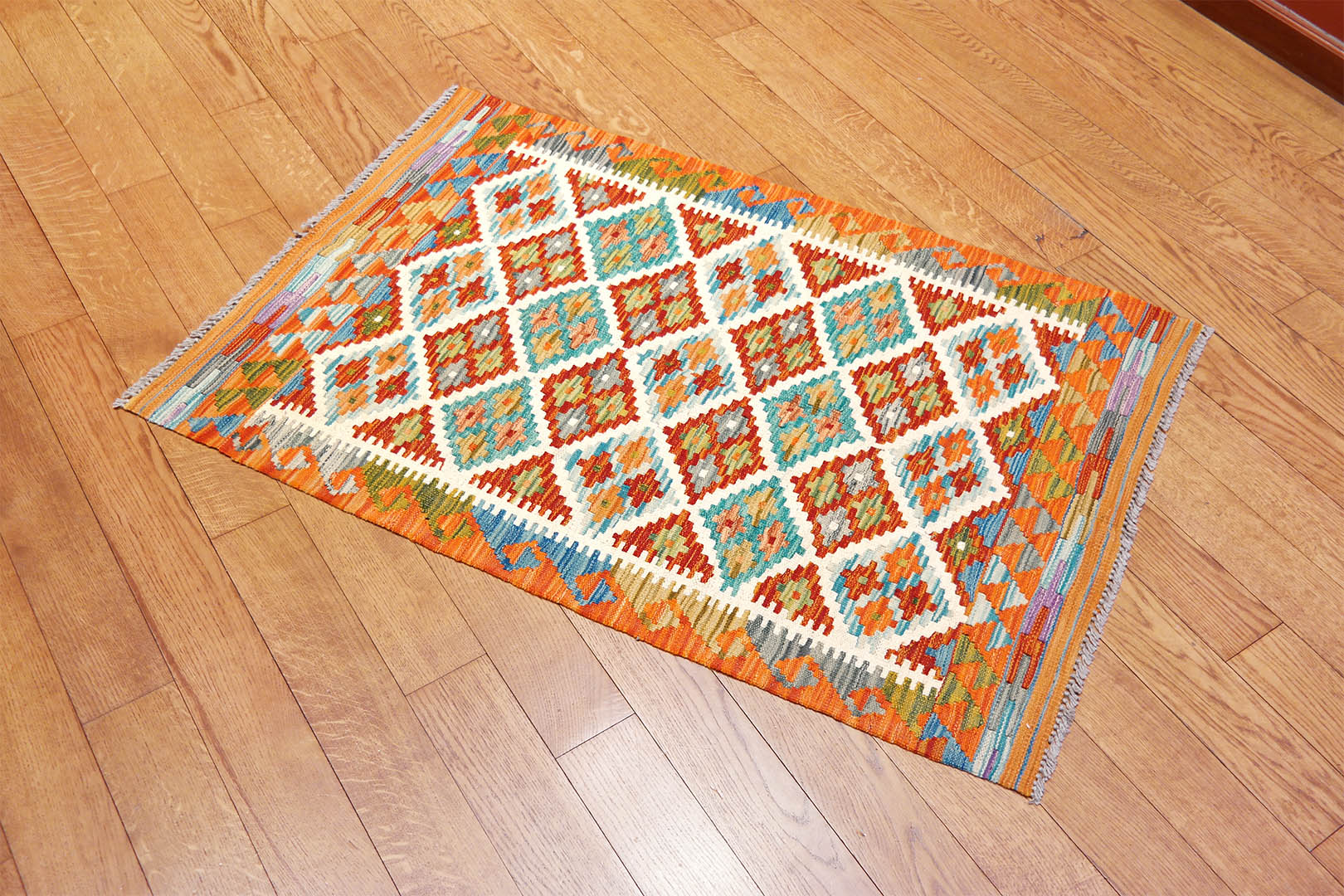
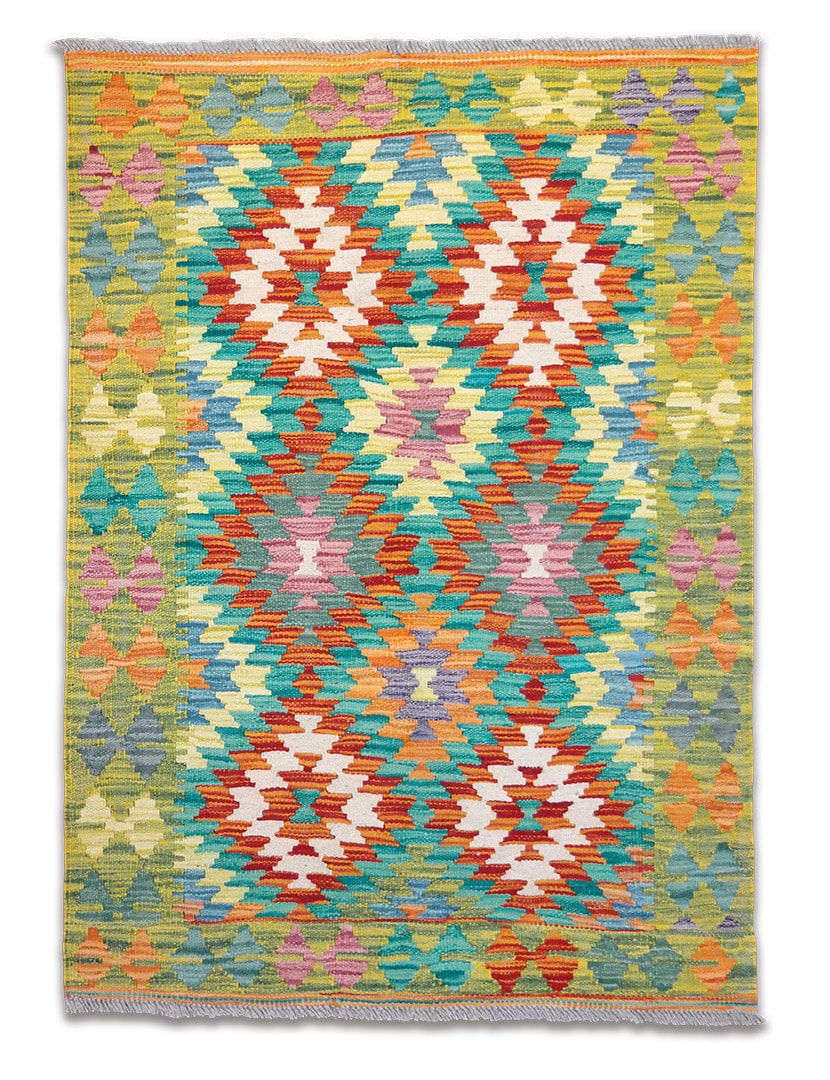
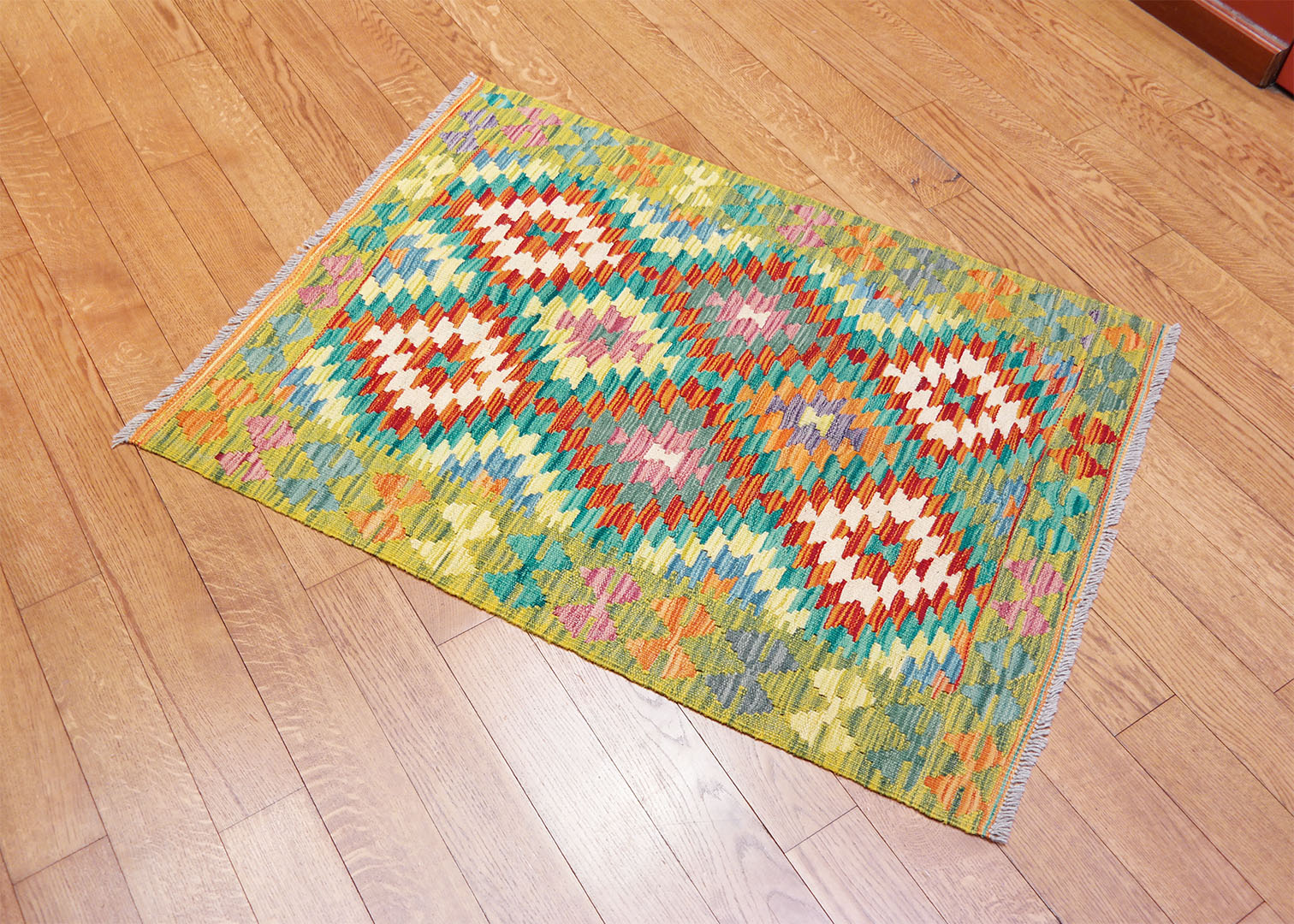
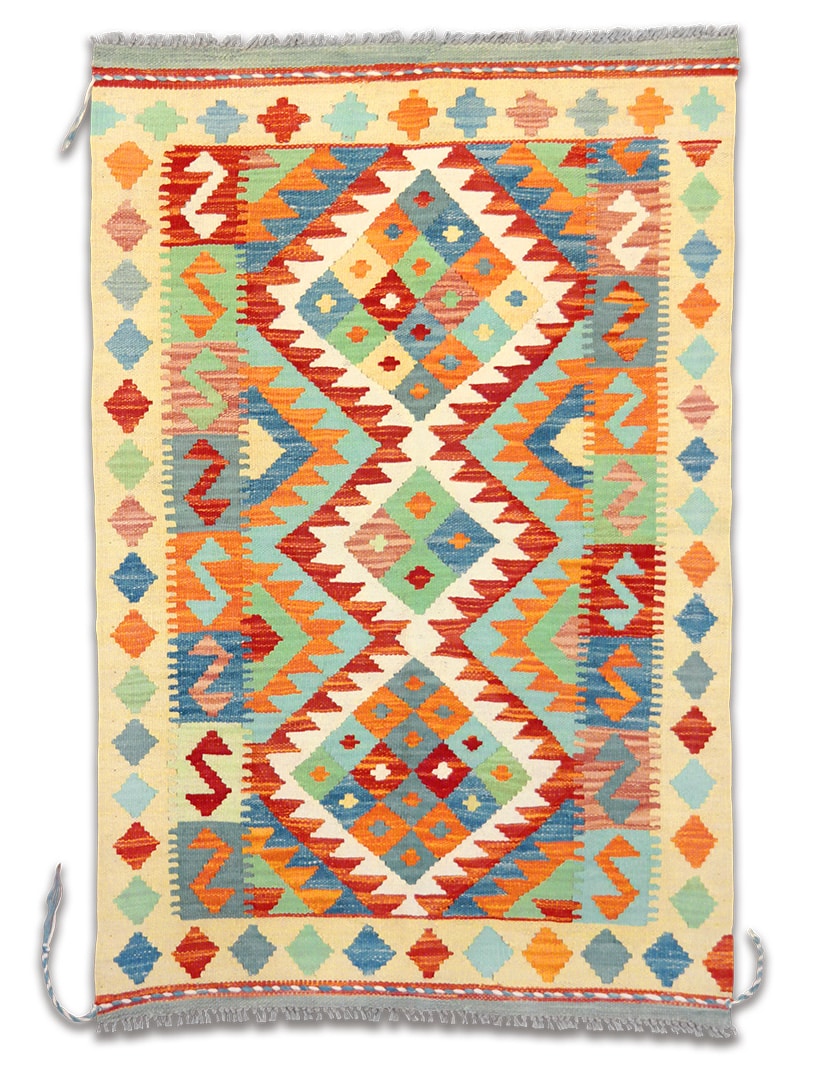
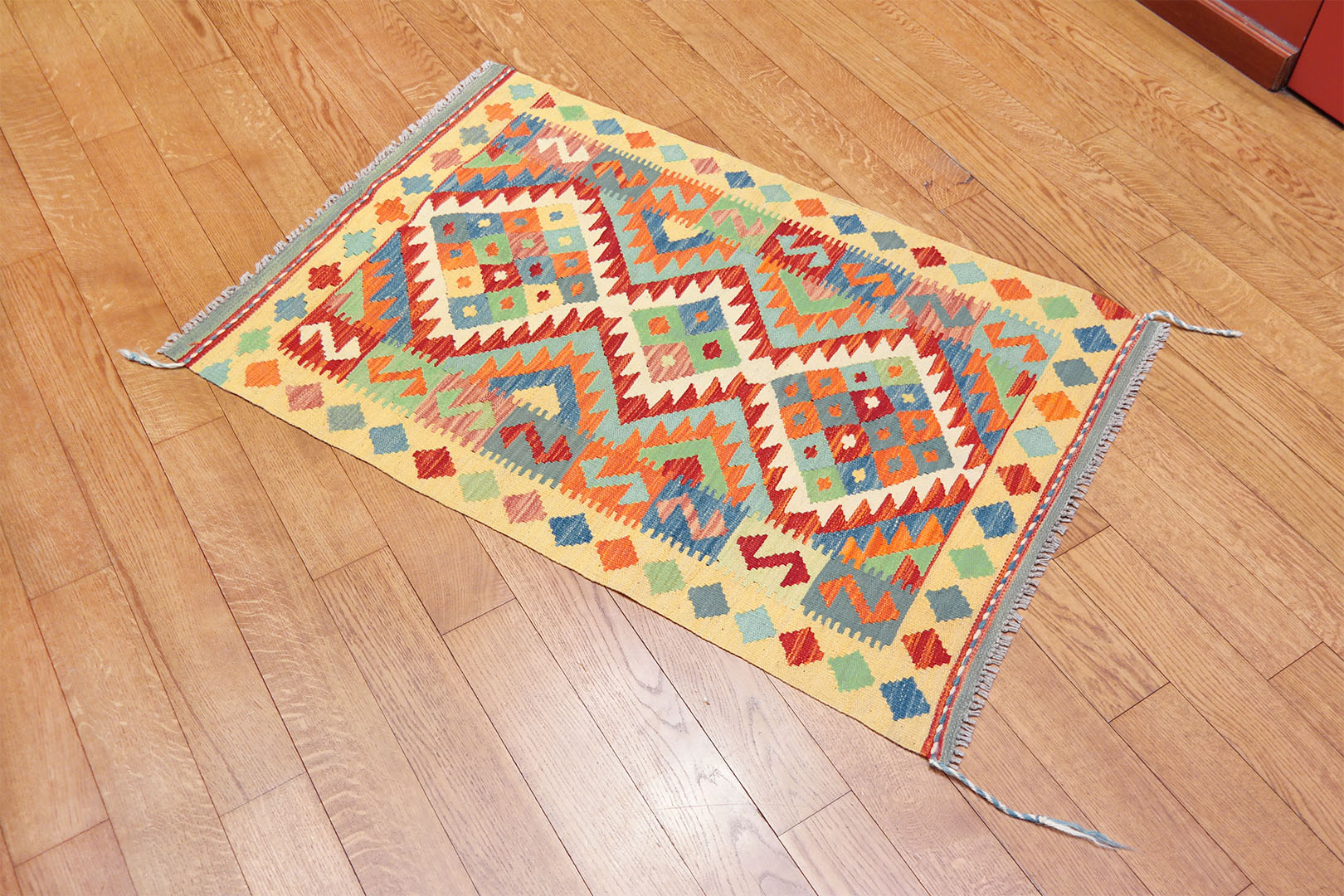
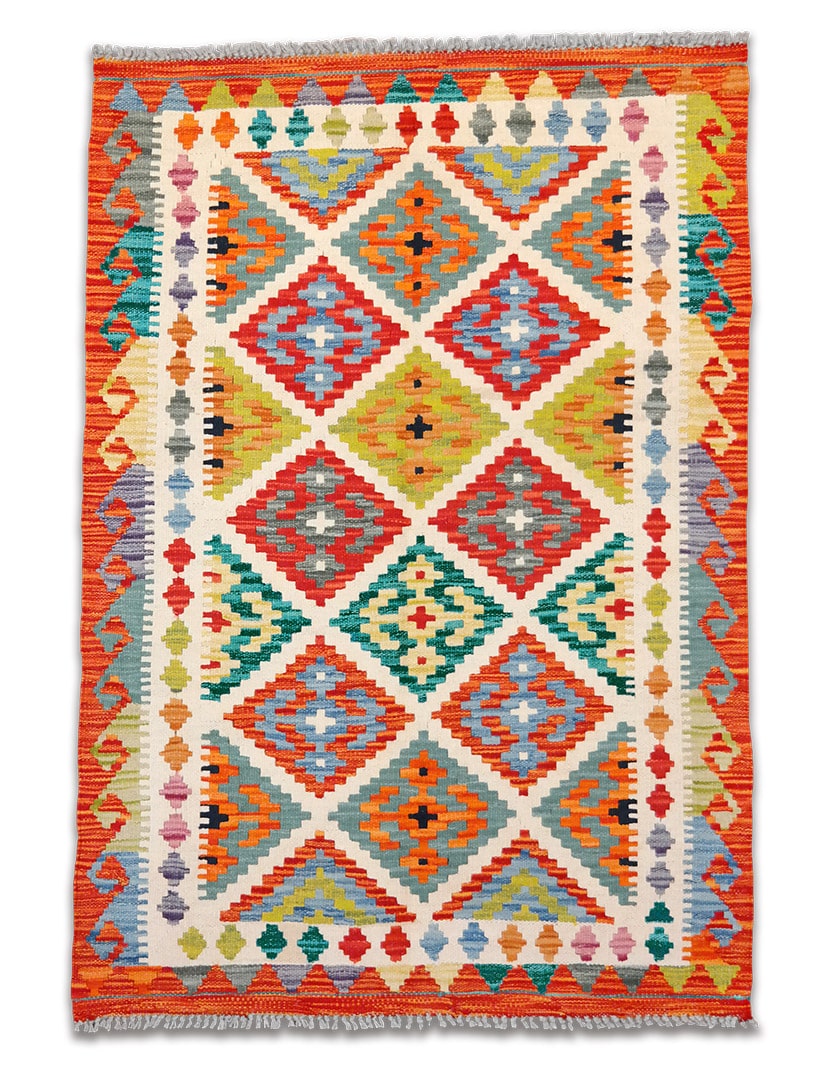
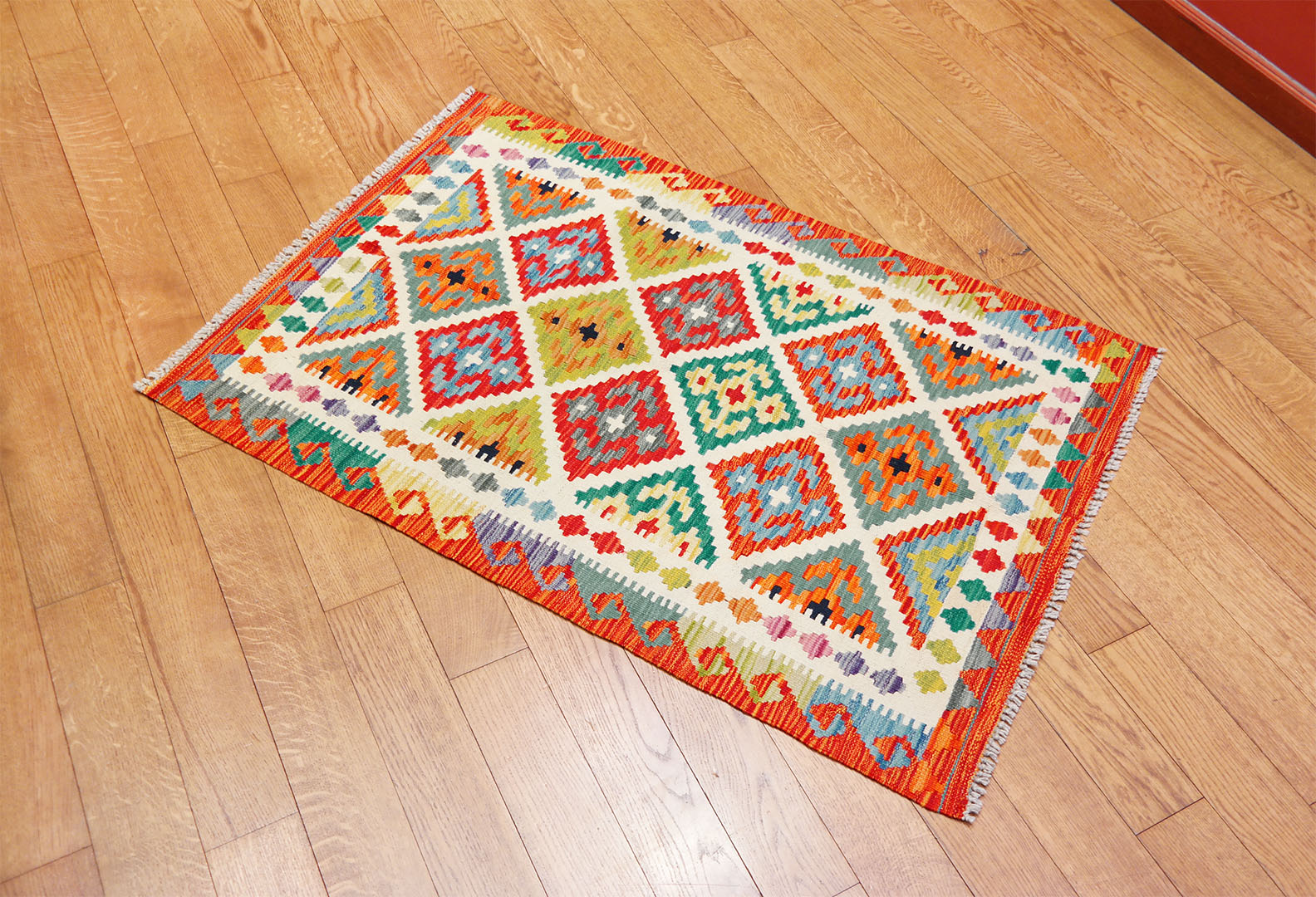
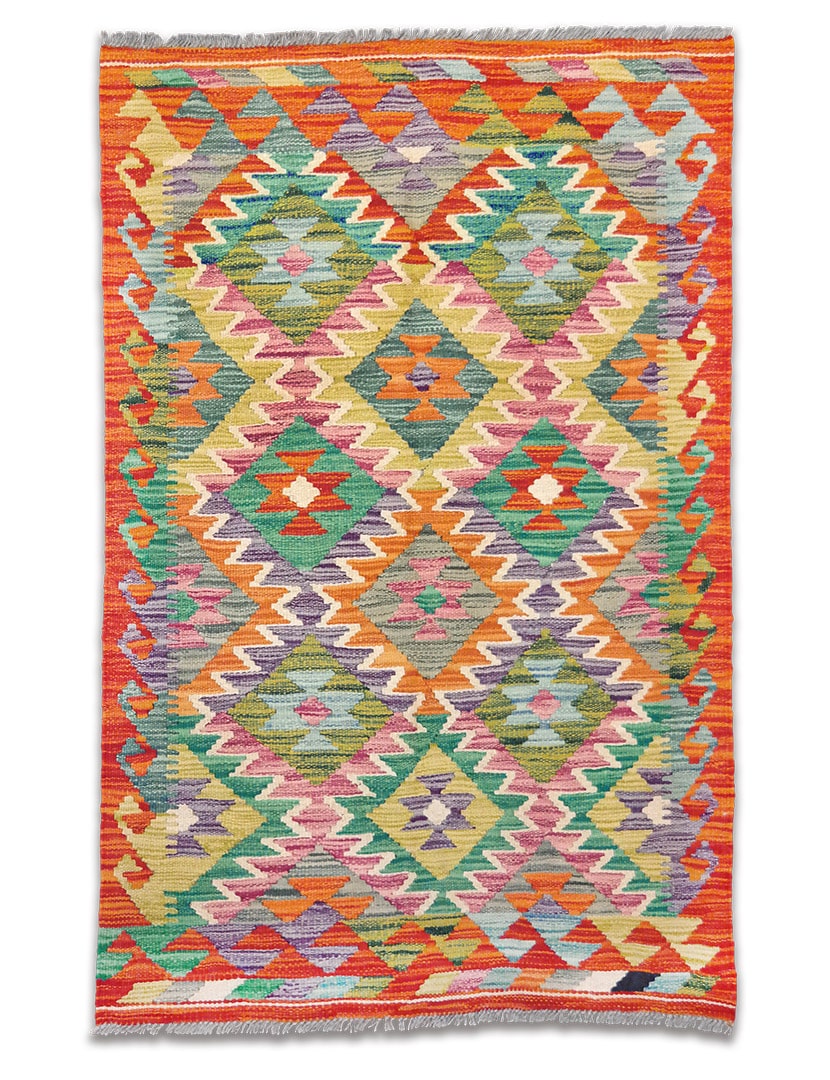
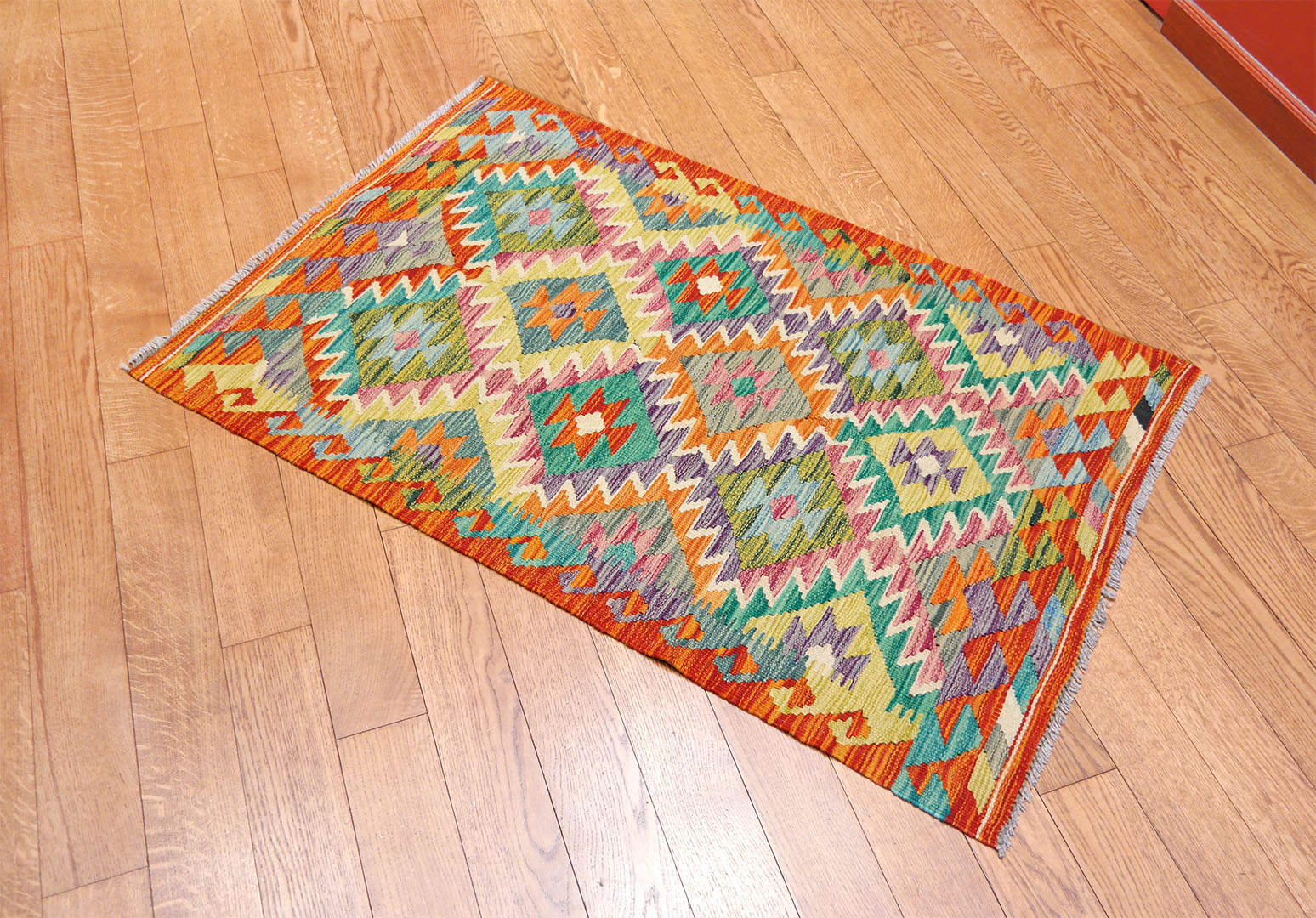
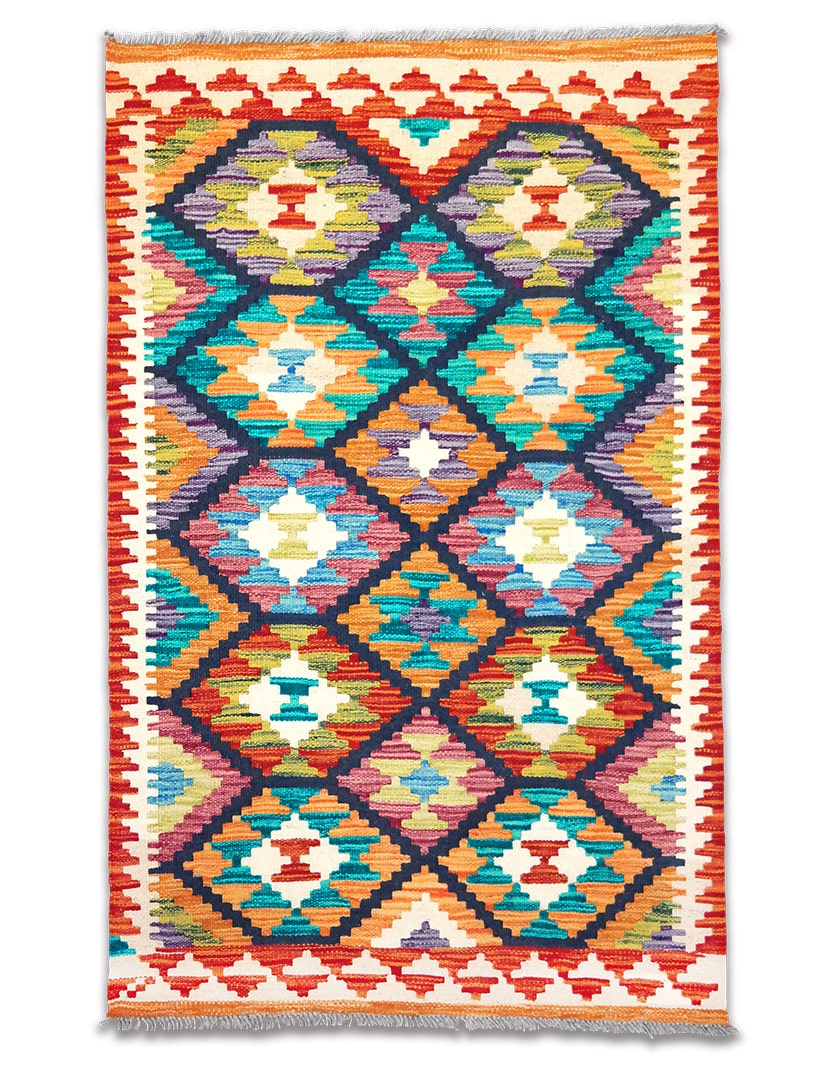
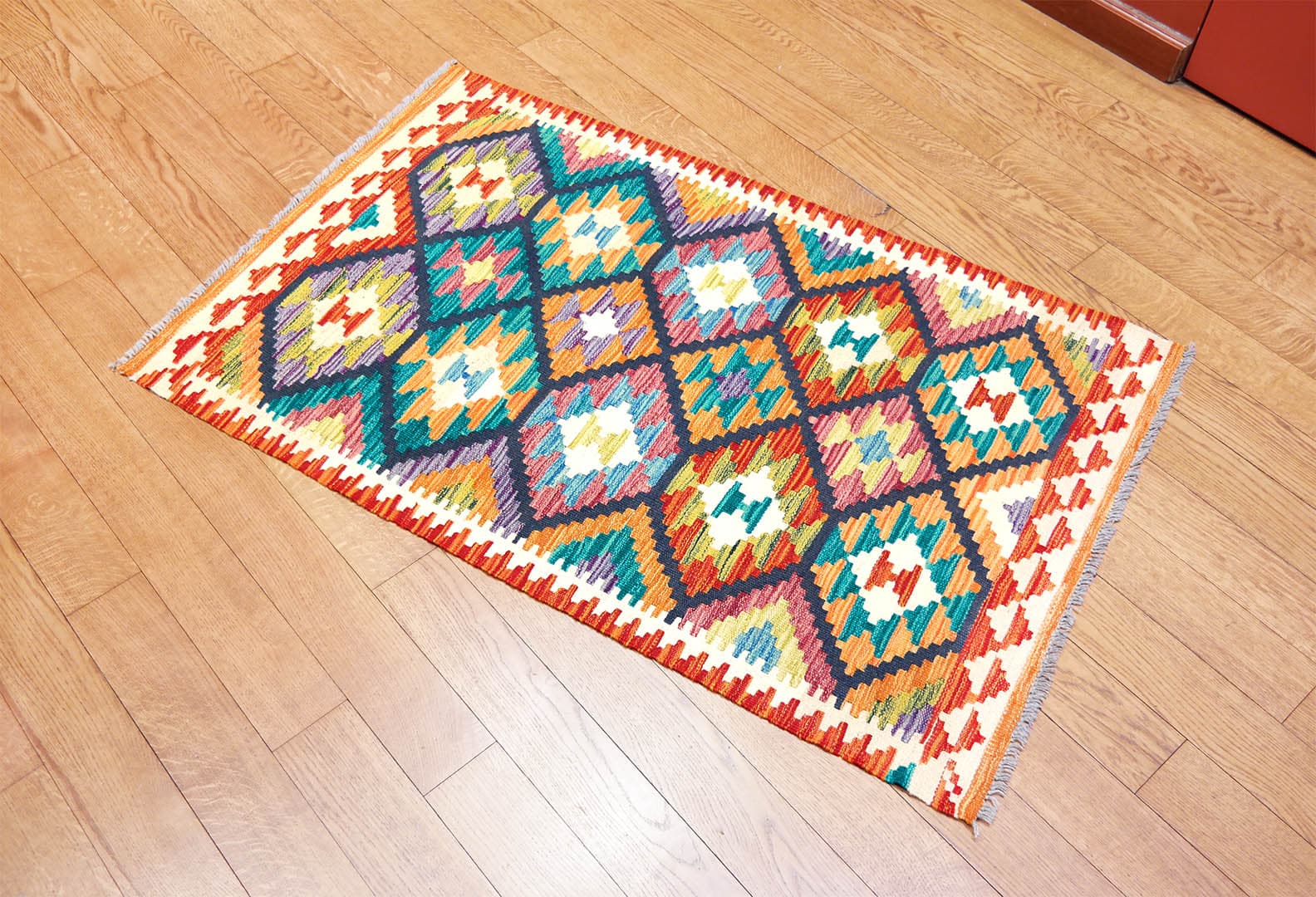
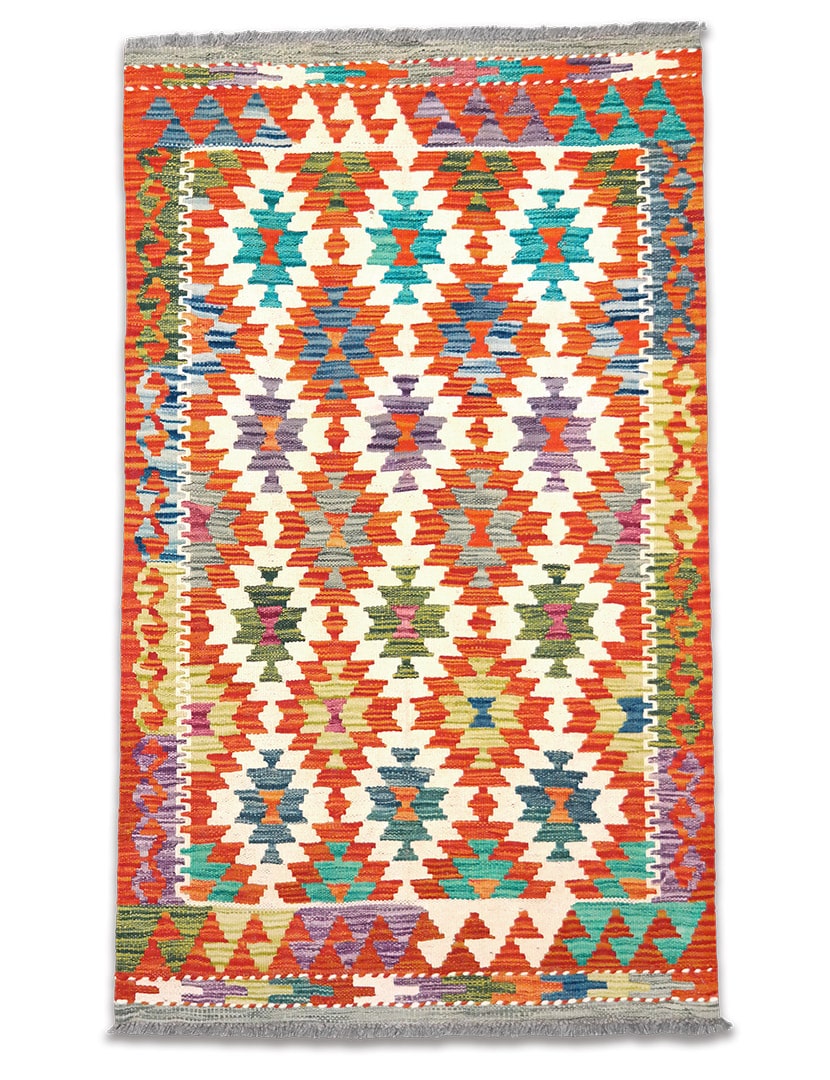
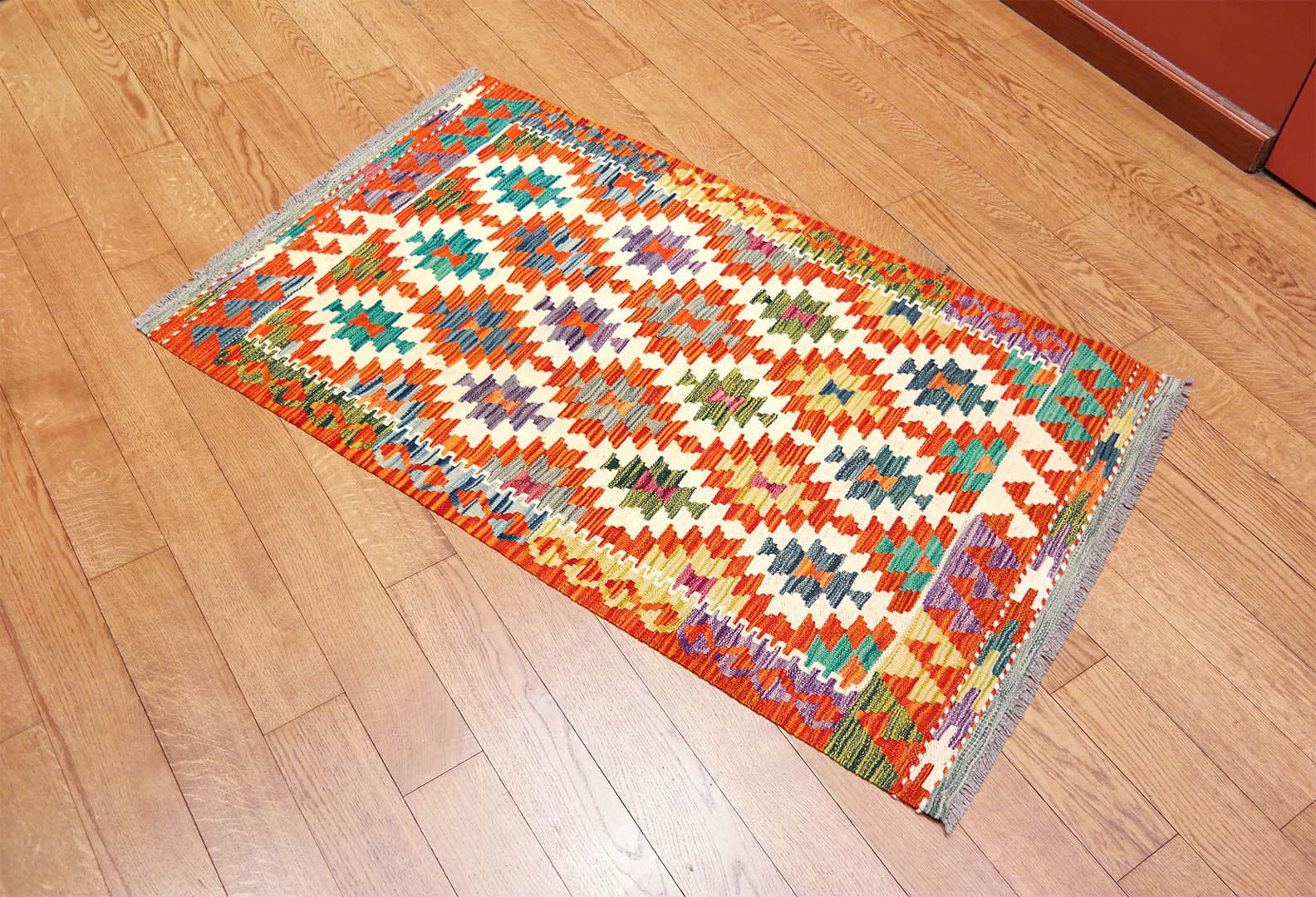
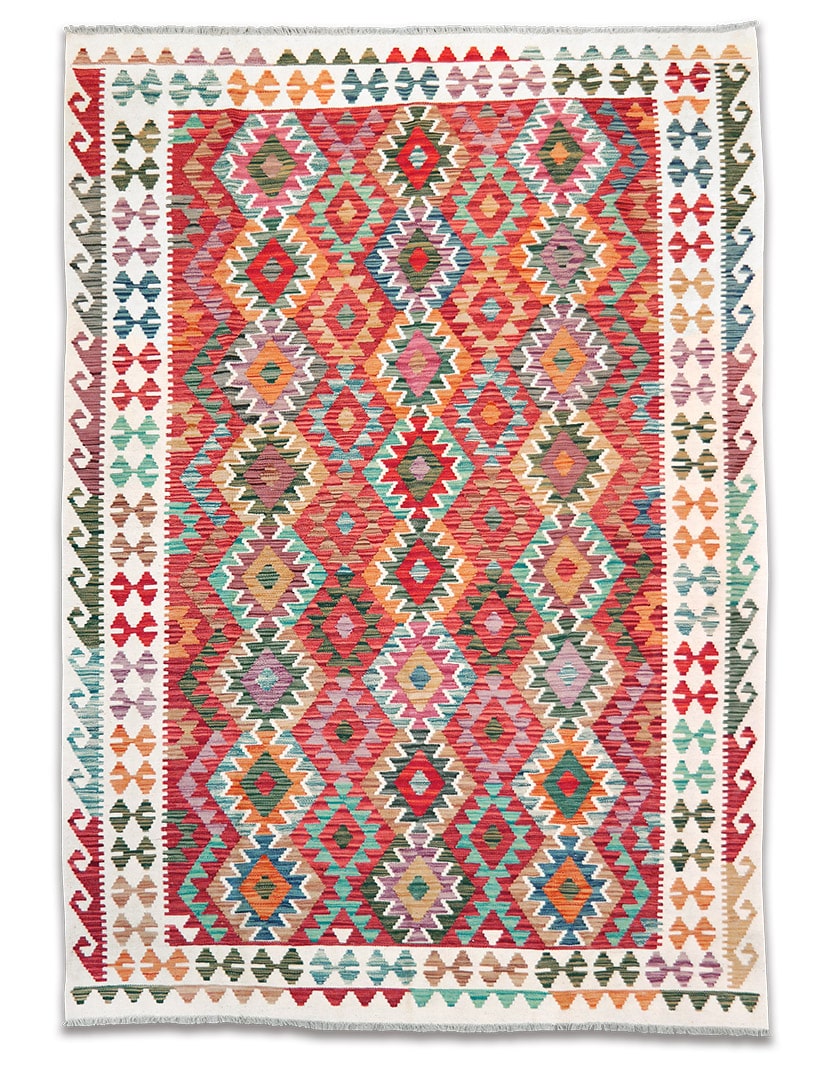
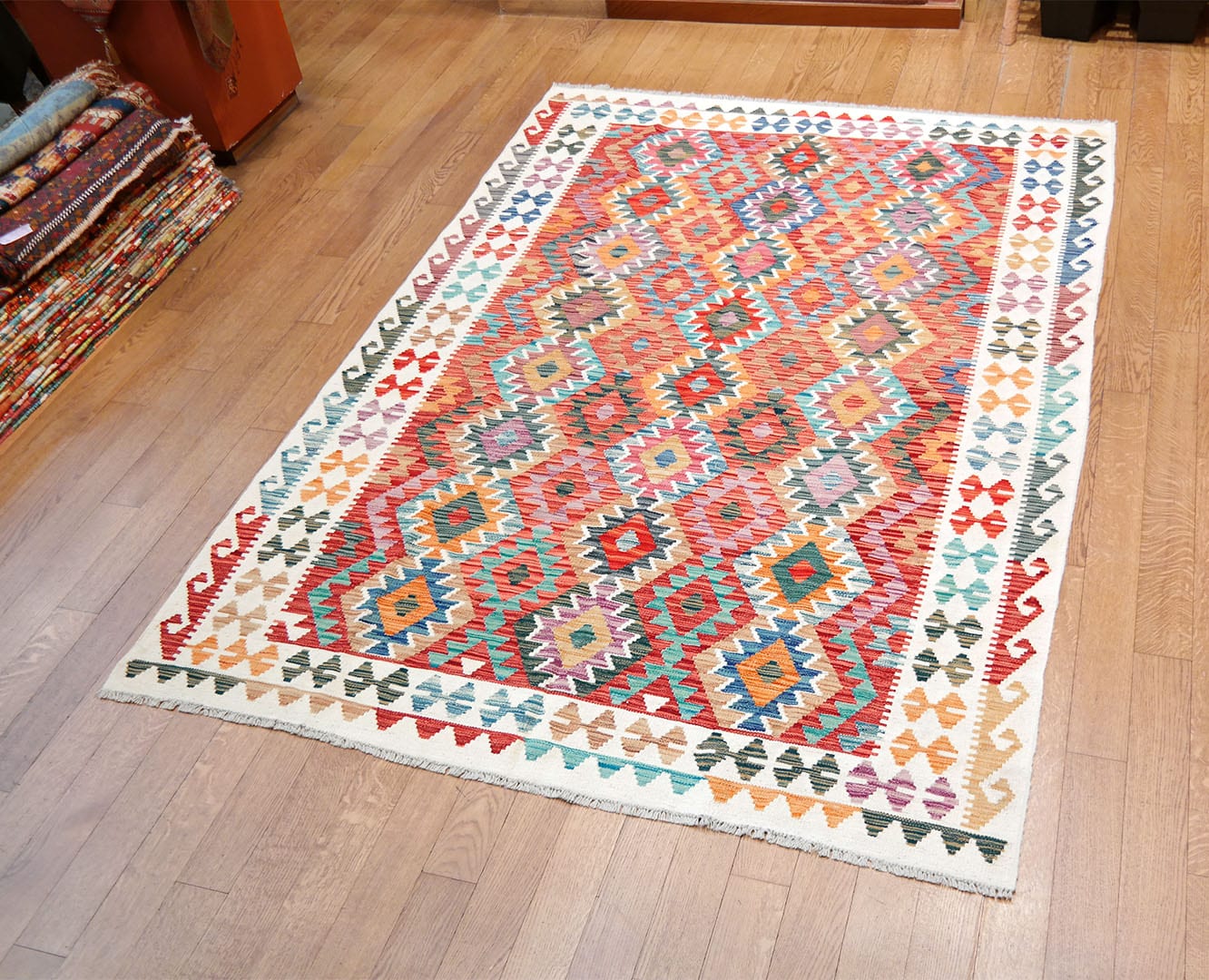
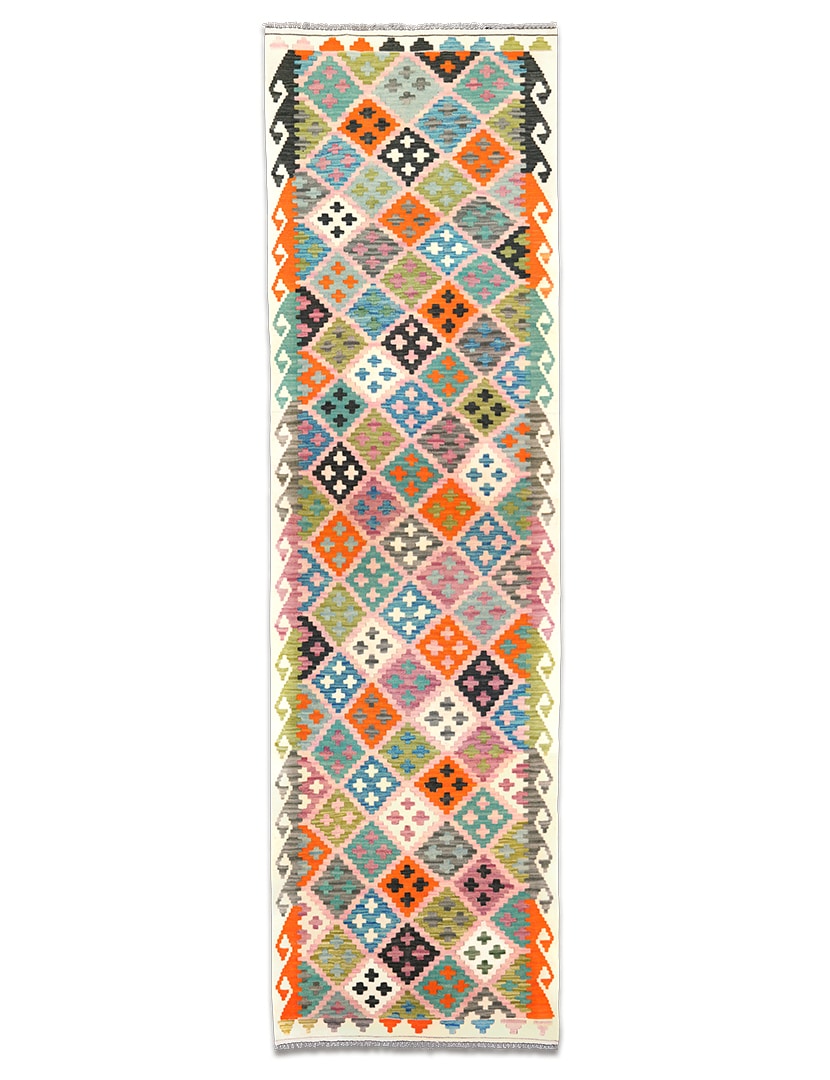
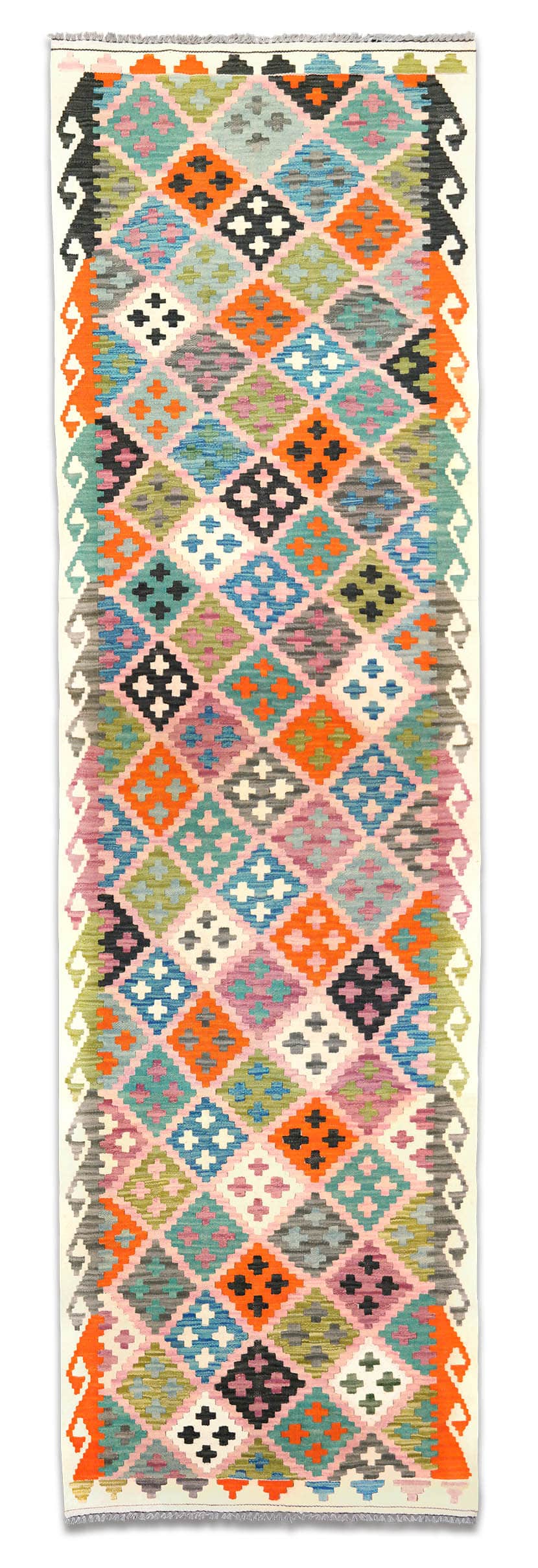
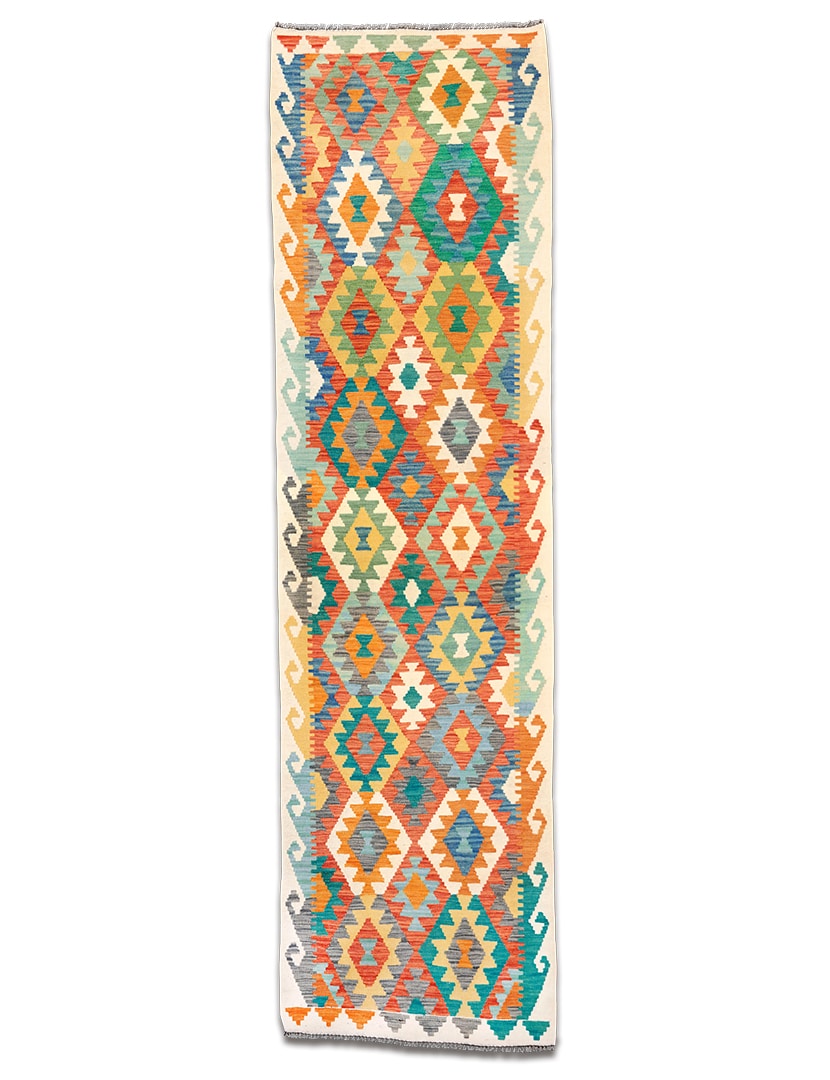
Bidjar kilim carpet 542 x 110 cm
Original price was: 450 000 Ft.382 500 FtCurrent price is: 382 500 Ft.- Size : 542 x 110 cm
- Article No.: AAB108
- 11 kg

Throughout history, people have used different forms of artistic expression to convey their culture, traditions and creativity. One such notable art form is the hand-woven kilim, a unique textile that reflects the craftsmanship and cultural heritage of different societies. With their bright colours, intricate patterns and symbolic motifs, kilims have fascinated art lovers and interior designers alike.
The origins of kilims go back thousands of years, with the earliest evidence of their existence being found in ancient civilisations such as Egypt, Mesopotamia and Persia. The term ‘kilim’ itself is of Turkish origin, but these flat-woven textiles have also been made in many cultures, including Central Asia, the Balkans and North Africa.
Kilims are distinguished by their unique weaving technique. Unlike pile carpets, which are made by knotting individual fibres to a base, kilims are woven flat on a loom. This method involves the close interweaving of warp yarns (vertical threads) and weft yarns (horizontal threads) to form a durable and tightly woven fabric.
Kilims are known for their fascinating patterns and motifs, each with its own symbolic meaning and cultural significance. Geometric patterns, such as diamonds, triangles and hexagons, are common and symbolise harmony, protection and fertility in many cultures. Other motifs include stylized floral patterns, animal designs and symbolic tribal emblems. These designs not only add to the aesthetic appeal of kilims, but also provide insight into the beliefs, history and daily lives of the weavers.
Showing 1–20 of 85 results